
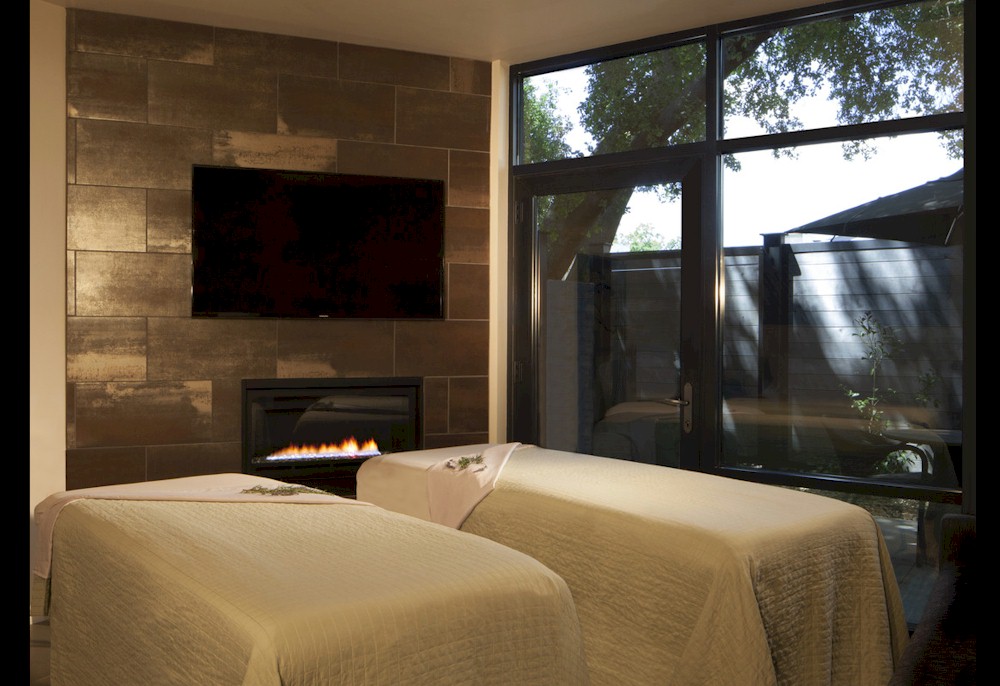

Wellness is this year's buzzword, and emerging from this pursuit of enhanced rest and rejuvenation is sleep tourism. Prioritizing quality of sleep and overall well-being, travelers are seeking lodging experiences that cater to their personal needs and preferences. Hoteliers have many tools at their disposal to place a premium on guests' sleep, and ensure they leave rested and revitalized. READ MORE
 HOTEL BUSINESS REVIEW
FOCUS:
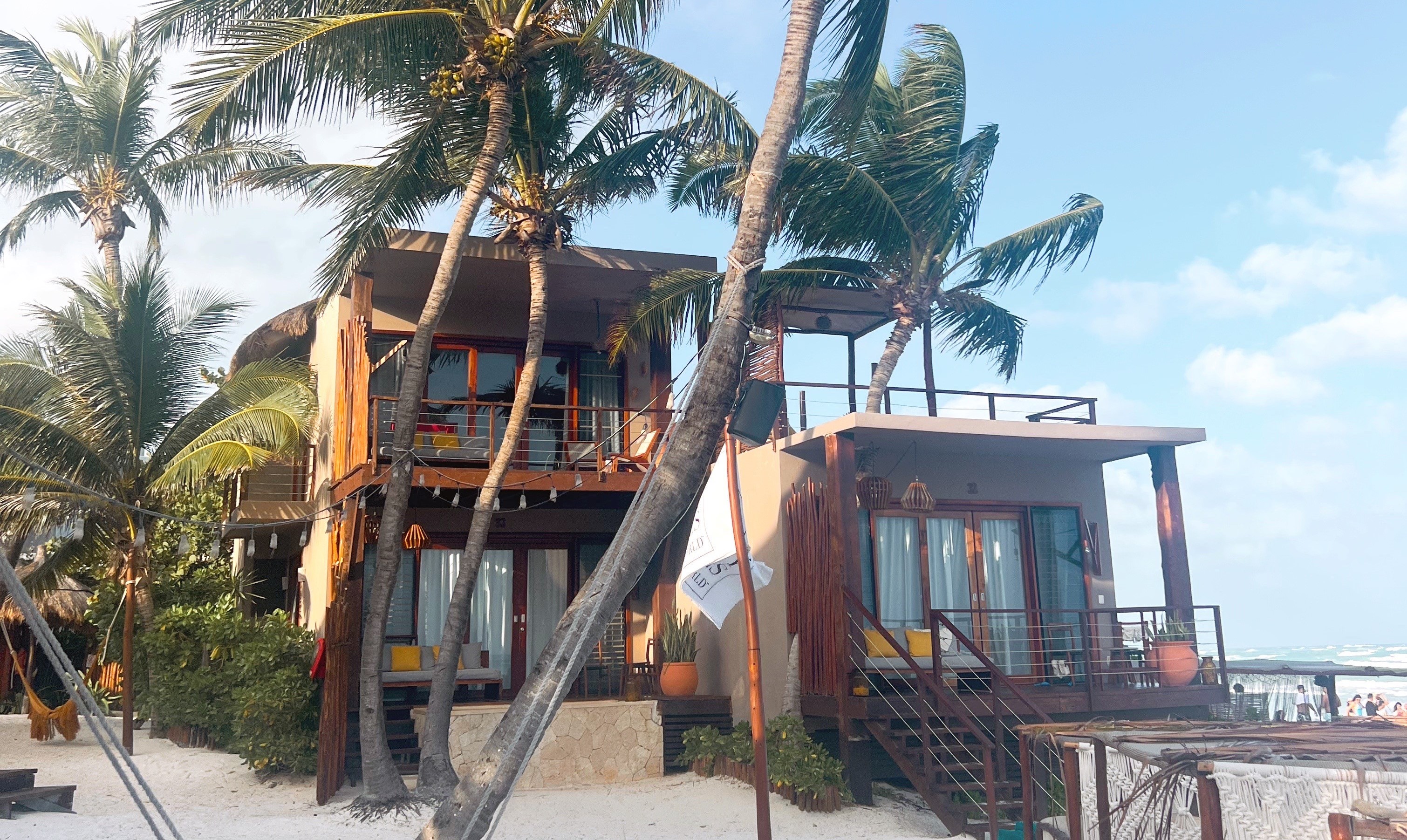
Travelers are looking to book summer getaways starting in early April. Using social media trends, partnerships, and booking incentives this spring can help inspire consumers, build new audiences, and sell summer rooms early. Give social media audiences something to dream about and plan for as we make our way toward sunny days and summer vacations. READ MORE
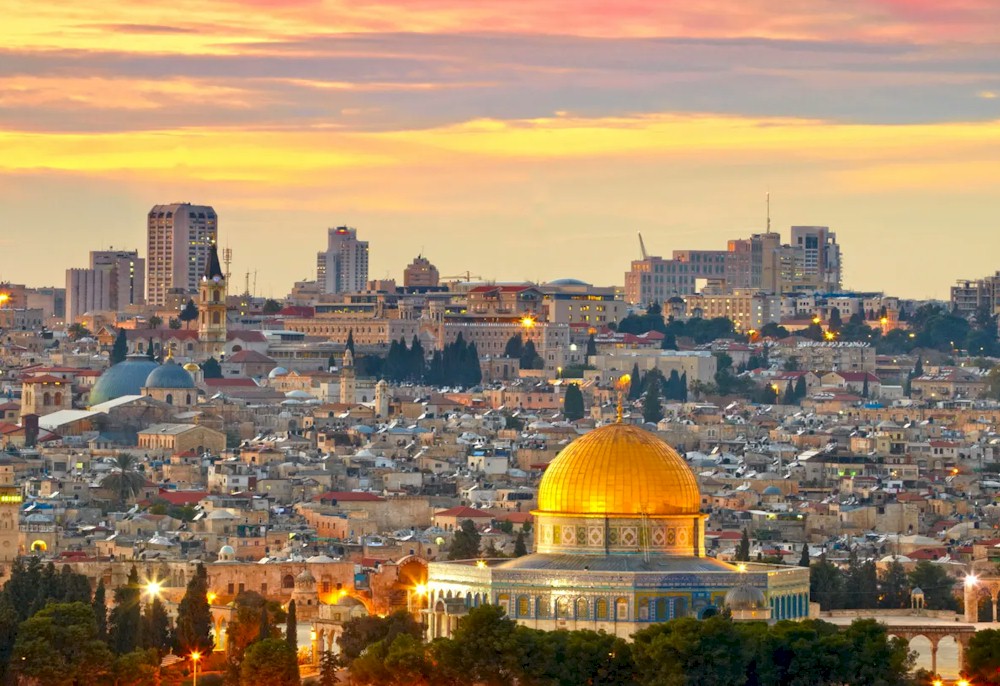
We are often concerned about potential threats that can affect the hospitality and tourism industry, such as wars and conflicts, security concerns, natural disasters, and food crises. Like many other areas of the economy, the hospitality and tourism industry is subject to these threats, especially since many countries and destinations depend on tourism as their primary source of income. READ MORE

This article traces the evolution of hotel controllers from 1989-today with a focus on identifying effective training. Findings include the identification of a skills gap between projections and reality. The article delves into understanding the expanding skills necessary for today's controllers, offering a futurologist's insight on what the future will demand: a blend of soft skills, strategic planning, and an acute financial acumen. READ MORE

In the dynamic realm of social media, Artificial Intelligence (AI) emerges as a transformative force, redefining the landscape of creativity and engagement. Insights from industry leaders -- Leora Novick, founder of Persephone Social; Adam Wallace, founder and CEO of Spherical, and Audrey Gonzalez, director of marketing and communications at Grace Bay Resorts -- illuminate the profound ways AI is reshaping social media strategies, fostering innovation, and optimizing efficiency. READ MORE
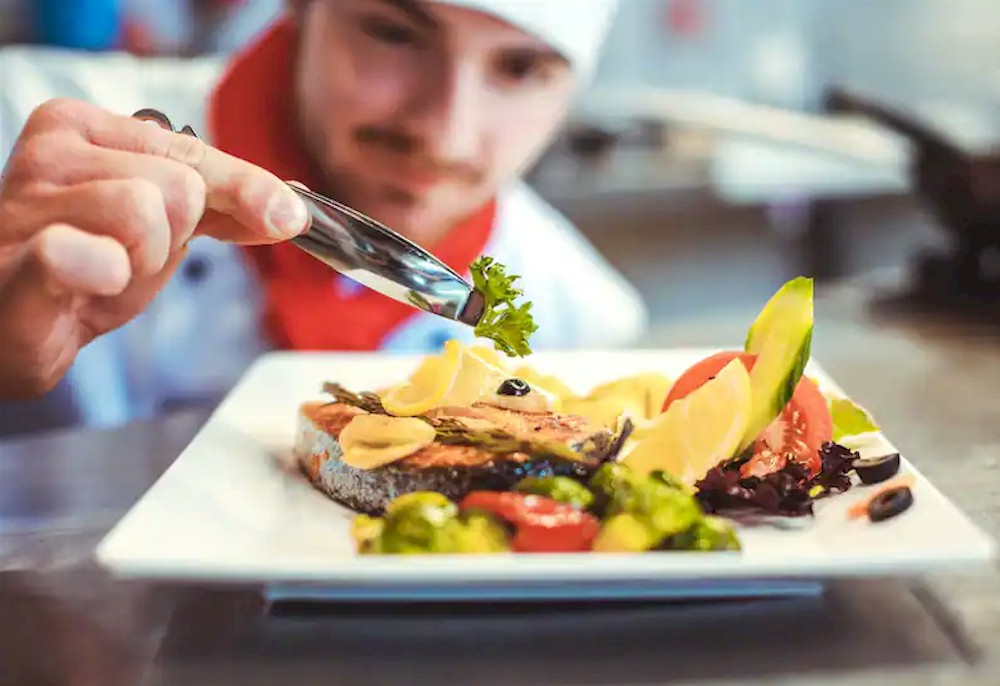
Hotel food & beverage is ramping up in popularity once again, and now is the time for hotels to establish themselves as local dining destinations. Operators must embrace emerging trends and redefine their F&B strategy to stand out in today's marketplace while keeping a lid on operating costs. Hotels must be open to experimentation and reinvention to exceed guest expectations, starting with a return to high-quality service fundamentals. READ MORE
ARCHIVES
More from our online Library Archives...

Graton Resort & Casino, located in iconic Sonoma County, is a commanding presence among the rolling hills of Northern California's wine country. Owned and operated by the Federated Indians of Graton Rancheria, the resort features an award-winning Spa and Salon with 10,000 square feet of high-quality treatments and services. Read about the resort, spa and its unique connection to surrounding nature, plus wine-tasting options. READ MORE

Overall wellness has had an influence on spas for many years, and there's been a recent rise in the tie-in of natural, organic living into luxurious spa offerings. Natural products are not only environmentally sustainable, but they also host a plethora of benefits for health-conscious consumers. READ MORE


