






How Wellness Generates Revenue Opportunities in Your Property
By Lynn Curry






This article was co-authored by Jessica Schorr, Director of Spa & Wellness, Curry Spa Consulting
As guests continue to desire and seek wellness in their hospitality experiences, our industry is primed to position itself at the forefront leading to greater health, happiness and revenue generation. What matters in the context of hospitality is not only defining wellness as a concept, but more importantly understanding wellness trends and incorporating them into your hotel property for best guest experience.
By understanding wellness trends and incorporating these trends into hospitality developments, hotels and resorts can improve the overall value of a guest experience and develop additional revenue channels that did not previously exist.
This practice is key to exceeding guest expectations and, if done correctly, can unlock immense value in the process. When guests and staff alike feel "well," it not only improves their experience, but provides ample opportunity to generate revenue as a result.
Defining Wellness
The Global Wellness Institute defines wellness as the active pursuit of activities, choices, and lifestyles that lead to a state of holistic health.
This definition provides freedom in how we approach wellness, and infinite opportunities to bring wellness into a hospitality property. Understanding the ultimate appeal of the property and examining the property though a number of key factors help us understand the unique approach to wellness on any given property. This can range from understanding guest type, environment, destination, opportunities off property, local flora and fauna, and overall draw of the resort.
The latest consumer trends guide us in a better understanding of how guests interpret wellness for themselves. In 2021, new wellness trends include being in nature, participating in adventure, eating healthfully, breathing clean air, soaking in mineral rich thermal water, and caring for oneself, the important aspect of wellness is understanding how to integrate it into your property. All of this is confirmed by the sorts of activities and interests that guest are drawn to naturally.
Creating Wellness Value in Hospitality
In the context of post-pandemic hospitality, a sense of well-being has never been more important for our consumers. It provides an opportunity for hoteliers to explore new and exciting revenue streams that can generate, sustain, and increase TREVPAR.
Value can come from a traditional wellness activities such as spa facilities with treatments conducted in treatment rooms and lovely relaxation opportunities. However, wellness can also come from alternative wellness activities that, traditionally speaking, have not produced revenue on their own such as natural wellness experiences in nature (guided walks, family activities), cultural wellness with storytelling and experiences with local historians and culturalists, inner and active wellness appealing to one's energy level and needs, and ultimately property wellness, that provides employees with wellness opportunities that do drive business in all categories.
Wellness is not specifically affixed to activity, either. Every room in a hotel can be transformed into a wellness sanctuary with added features like air and water filtration systems, lighting that follows circadian rhythms, cardiovascular equipment or TRX selections, and healthy minibars with spa-like items for purchase.
According to the Global Wellness Institute, the wellness market expanded by 6.4% every year between 2015 and 2017, which equaled a growth from $3.7 trillion to $4.2 trillion. The Global Wellness Institute also recorded that, between 2015 and 2017, "International wellness tourists on average spent $1,528 per trip, 53 percent more than the typical international tourist," and, "Domestic wellness tourists spent $609 per trip, 178% more than the average domestic tourist."
These numbers speak for themselves. In today's hospitality market, most guests who are willing to pay a higher room rate expect a unique wellness offering. Wellness offerings bring additional revenues flowing, keep your property competitive, increase occupancy, and, most importantly, make your guests happy, well, and welcome.
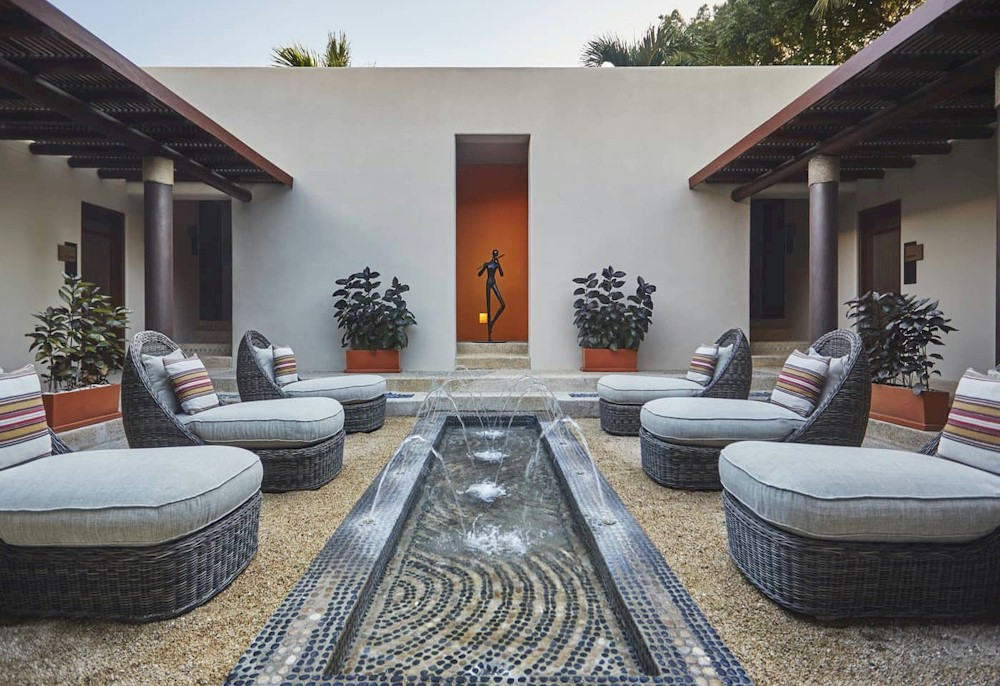
Kollin Altomare Architect's Apuane Spa at the Four Seasons Punta Mita
Getting Started
When beginning your property's wellness development journey, proper planning is imperative. In particular, knowing your market is crucial. A competitive analysis must be conducted and reviewed in order to ensure that service strategies and facility designs help set your wellness experience apart from the competition. In some cases, your competition may not include only local wellness offerings, but regional or global offerings as well.
Property occupancies, seasonality, and airlift opportunities help to create logical guest capture projections for the spa and wellness facilities. Information like the capture rate can help you identify the kinds of wellness programs your property may wish to offer, plan for accommodating guest use, create spaces that are the correct size, and prepare for necessary expenses associated with the project like additional staffing or equipment purchase.
Especially post-pandemic, another point to consider is that traditional spa services often book up quickly which can leave guests with few options to enjoy a wellness opportunity. To ensure that all guests have a memorable experience, and that the property generates wellness ROI, it is imperative to design properties with permanent wellness spaces that are operationally convenient and provide guests with an experience. Michael Kollin, President & CEO of Kollin Altomare Architects, explains, "Our design process always focuses on the hotel guest's overall experience starting from a sense of arrival, to touch points with nature, visual connections to natural elements and an overall sense of peace. When a guest is comfortable and in a place of wellness, it is natural for more services and amenities to be sought after which leads to increased property ROI."
Self-service wellness areas are another savvy way to provide additional services to guests with minimal staffing needs. Wellness self-service areas (such as a self-massaging chairs or thermal areas) allow guests to enjoy the spa experience even if they have missed a treatment specific booking opportunity. Wet and thermal areas, including hot and cold pools, with thermal features and steam and sauna rooms are an important inclusion that will drive business, increase the ROI on spa treatments, and entice guests to book the property. Additionally, there is an opportunity for equipment that supports this, such as massage chairs, infrared saunas and water features to name a few. Jeff Josephson, Director of Hospitality & Residential, Hydromassage, explains, "We are learning that many properties are not able to find enough therapists to service their client base, and that clients are interested in a 'hands free' option for services, so the interest in self-massaging chairs has been growing."
With a thorough and holistic understanding of your property's physical environment and market, project plans can be set in place and a detailed five-year spa proforma can be provided. Consider that the wellness proforma include not only treatments, retail, and classes, but also packages, journeys that continue after guest departure, visiting practitioners, and facility fees for experiential self-discovery activities. By providing details of expenses for operations, cost of sale, and labor costs, stakeholders will have a thorough grasp of the project prior to embarking on wellness development. The yield management efforts for one spa treatment room per hour are similar to the effort required to yield one hotel room per night. Spa leadership teams are often focused upon yield management tasks to keep treatment rooms booked properly with the correctly trained therapist while driving group or discounted business to off-peak times, which is of the utmost importance.
Offering both complimentary and fee-based wellness activities to your service offerings is also important, highlighting these opportunities clearly and creatively on all your digital platforms.
In turn, these offerings will lead to higher ADR and length of stay. Just as a hotel would still collect revenue from non-guests through F&B or other events when rooms are sold out, hotels have the opportunity to collect revenue when treatment rooms are sold out or are unavailable due to staffing.
Beyond the Spa: All Types of Wellness
Hotels and their wellness areas can become healthy places. Craig Roberts, a partner at the global design firm Hart Howerton, says "As a home for health, these spaces reflect a community's commitment to well-being, mindfulness, and creativity, creating an opportunity for the transformation of body, mind and soul."
As wellness spans every aspect of our lives, it is important to take a deep dive into different types of wellness and understand the ways it can integrate into the facets of a hospitality property. As Michelle L. Kinney, Senior Vice President of Trilogy Spa Holdings, LLC, affirms, "Now, more than ever, cohesive messaging throughout the entire property on ways to achieve health and wellness is a must. Working with F&B to highlight healthy options, with rooms to ensure there is a relaxing nighttime breathing technique and pillow mist for better sleep or stretching suggestions to do during the day while tele-working. Making sure class programming is not only focused on the physical but also mental well-being of your guests. This can be done by simply adding in a meditation class to the schedule. The more you can integrate these types of things holistically across all departments, the better the experience for your guests."
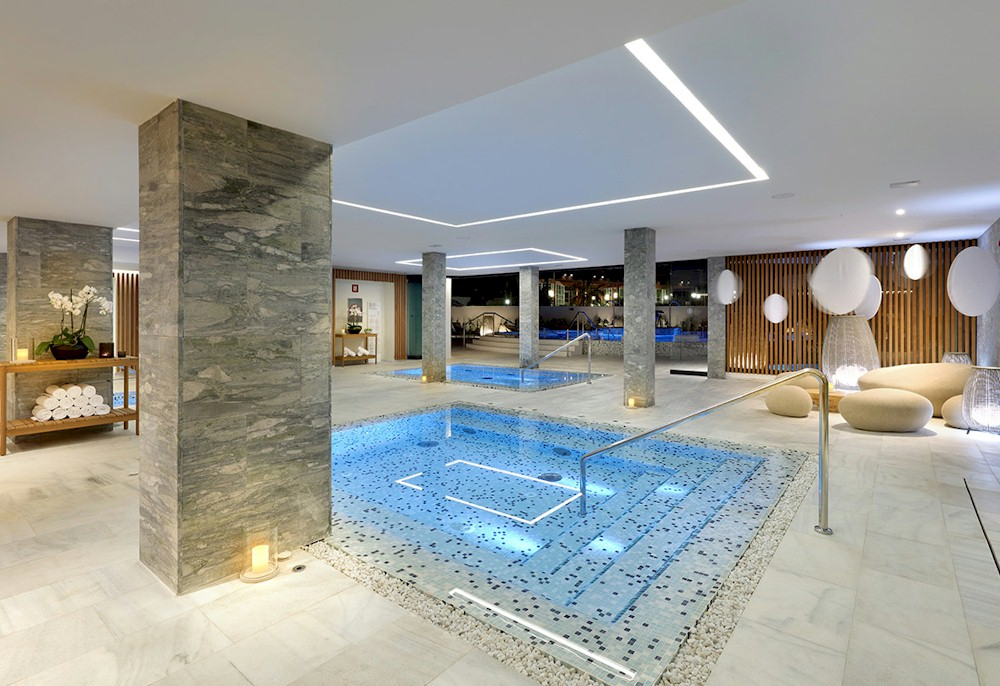
The Spa at Hard Rock Hotel Tenerife
Traditional Wellness Categories
Spa Wellness
Spa services in treatment rooms with robes and lovely gardens, lounges and quiet areas are typical. Treatments include relaxation, beauty and anti-aging services, and other holistic therapies most familiar to spa-goers, and there is so much more!
Sensory Wellness
Everything a guest sees, smells, hears, tastes, and touches is an opportunity for wellness engagement and wellness ROI. Sensory experiences and the well-being journey begin when the guest arrives on property. Lush gardens full of fragrant flowers, meditation alcoves and hammock gardens, melodic music wafting through the air, a welcome oshibori (warm or cool towel), a signature beverage or signature "spa/hotel smell", and music all set the tone for your property's wellness experience.
Dale Hipsh, Senior Vice President of Hotels for Hard Rock International, shares, "A focus on spa and wellness is a unique differentiator for Hard Rock Hotels. Our brand is rooted in music and we use this to connect and curate one of kind experiences and exclusive offerings such as our signature Rhythm & Motion treatments, 'the world's first fully immersive, music-centric spa menu'. Our therapists use synchronized movements with an expertly curated playlist. We believe music and movement have a powerful ability to heal and harmonize the body and soul, which is so important, now more than ever. Guests are looking for more immersive and enriching ways to stay healthy and have fun. Hard Rock sees a strong return on our investment of these programs through increased length of stay, incremental spa revenue, and a deeper brand engagement."
In-Room Wellness
Hotel rooms are the perfect place for anytime, anywhere wellness.
In-room TV subscriptions can provide guests with services such as on-demand fitness classes, DIY spa treatments, and guided mindfulness meditations. A traditional minibar may be transformed into creative "Wellness Bars," complete with a DIY manicure/pedicure kit, aromatherapy oils, instructions for couples' treatment experiences, sleep therapy tools, and fitness equipment may be easily moved into a guest room or included as an additional value-add or revenue generating feature. All of which validate higher room rates and could potentially provide opportunities for additional in-room revenue if fees are associated with the experience.
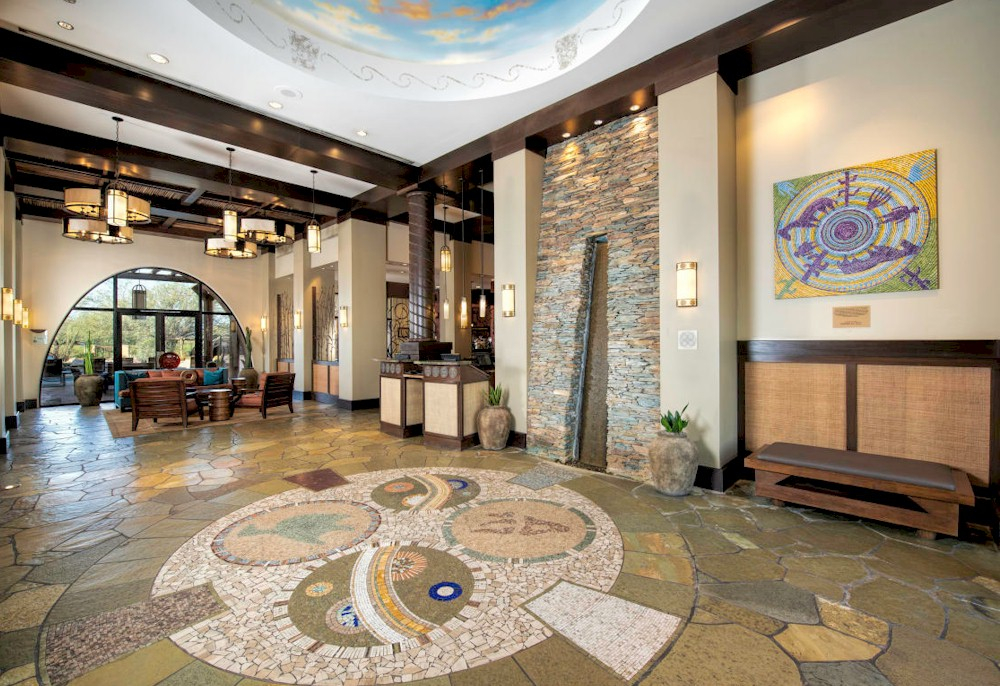
Sheraton Grand at Wild Horse Pass' Aji Spa
Cultural Wellness Categories
Indigenous Wellness
By incorporating indigenous stories into your property and wellness programs, you honor the community members and traditions of your property's local area and provide a memorable opportunity to guide guests through a unique and memorable wellness experience.
The industry is ripe with examples of these experiences. At the Sheraton Grand at Wild Horse Pass' Aji Spa guests are offered a unique signature spa treatment menu, art and architecture that pays tribute to indigenous customs. In the Hawaiian Islands, Lomilomi massage offers a sacred healing are that celebrates the land and the spirit of aloha. At the soon to open Four Seasons Napa Valley Spa Talia, offerings were inspired by Calistoga's history as a spa destination, and its Native American history with a signature treatment using mineral-rich mud with vineyard views, and an outdoor steam deck.
Historical Wellness
Closely related to indigenous wellness, historical wellness includes many activities or rituals incorporating natural healing methods, as well as the preservation of historical buildings themselves. In the early part of the twentieth century, San Franciscans would take the ferry and train to the town of Sonoma to soak in the area's healing natural hot springs, and many others traveled to Hot Springs, Arkansas for its detoxifying and healing waters.
Historical guest experience and historical buildings have stories, and when they become hotels, provide an opportunity for wellness experiences through guest interest, reflection, and education. While sometimes difficult to renovate, honoring the history and making them relevant to today's guest needs, they provide a unique opportunity for an experiential wellness experience.
Active Wellness Categories
Adventure Wellness
Adventure wellness encompasses physical and mental escapes that push us outside our comfort zone. It takes place in natural environments and may include activities such as whitewater rafting, walkabouts, ropes courses, or one of the many famous via ferrata (established mountain climbing passages) found throughout Europe and the US. Adventure is sought after and expected in certain destinations.
Fitness Wellness
Expanding fitness outside of the gym may be as simple as providing yoga mats in guests' rooms, jogging maps around a property, bicycle rentals, nature hikes, our outdoor fitness "jungle gyms" that allow for both fun and fitness. Solo or active opportunities led by a hotel guide, become an opportunity to make all guests feel healthy, regardless of their fitness level. They also provide a sales platform for other hotel activities and F&B opportunities, especially when activities are led by a hotel staff member.
Family Wellness
Collecting herbs from the garden, learning cooking techniques from a property's head chef, riding bikes along scenic paths, playing and exercising together, and offering specially curated child and teen spa services all fall under the category of family wellness.
Specialty property programs contribute to filling rooms during off peak times and entice the local market to visit. For example, "Winter at the Princess" and "Summer at the Princess" at the Fairmont Scottsdale Princess help drive business and provide a great sense of fun for guests, locals and employees.
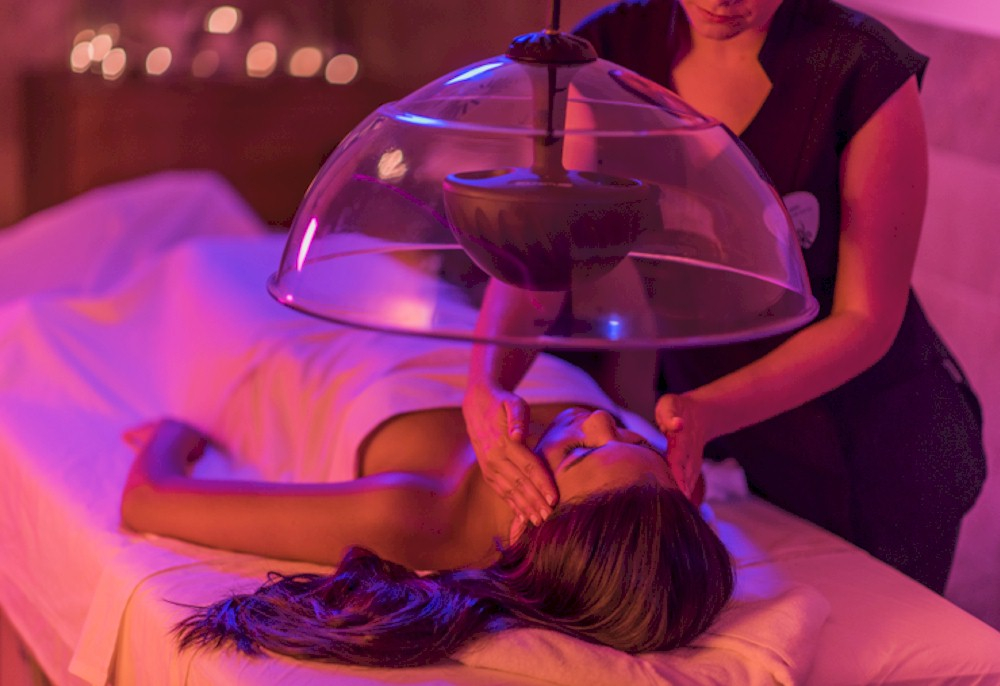
Hard Rock Hotels' Rhythm and Motion fully immersive music-centric spa menu utilizing amplified vibrations, pressures and patterns, as the foundation of its treatments.
Inner Wellness Categories
Wellness F&B
Creating wellness menus for spa cafes or including healthy items on hotel F&B menus has become popular throughout the industry. Wellness can come in the form of infused water and specialty teas that promote mindfulness as well as nutritious dishes that change with the seasons. By sourcing locally grown produce, properties can both honor their local area and create a sense of place for their guests.
Wellness Journeys
Clever signage throughout a property can keep wellness at the forefront of the guests' and employees' minds. Signs may indicate quiet or mindful zones, social zones, and how the property is helping to save the environment through water conservation and recycling efforts. Wellness then travels with guests as they move throughout the property.
Mental Wellness
Our minds have a huge influence over our experiences. Keeping them active and engaged is paramount to holistic health and wellness. Meditation, self-awareness, the cultivation of gratitude, and consciousness-expanding activities all contribute to guests' psychological well-being.
Sleep Wellness
Sleep is a vital component of wellness and crucial to overall health. Hospitality properties may offer a variety of in-room and out-of-room experiences like soothing music, blackout shades, eye masks, late-night massages, sleep workshops, and guided meditations that promote restful sleep. The use of specialty materials like sustainably grown organic cotton, warm lighting to create a relaxing and intimate environment, air purifiers that detoxify each breath a guest takes, lighting to mimic circadian rhythms, and color palettes appropriate for calm spaces all play a role in facilitating sleep wellness.
Natural Wellness Categories
Outdoor Wellness
Guests continue to seek opportunities to be in nature, in fitness and adventure or for inner wellness rejuvenation and relaxation. Being in nature is the best way to digitally detox, meditate, think, play, and be. According to Clark Smillie, Principal of VITA Landscape Architecture, "Wellness is ideally experienced within a natural environment, and designing all-encompassing landscape solutions that achieve a well-balanced synthesis of the project's architecture and site promotes serenity and engaging guest experiences. Careful understanding of the guest demographics in conjunction with the exploration of the property's landscape creates unique contemplative spaces that balance functionality with aesthetics while being able to expand naturally as demands require".
Water Wellness
Mineral and thermal springs businesses (including spas and hotels) grew rapidly by 4.9% between 2015 and 2017 and are expected to achieve $77 billion revenue by 2022. Throughout the world and across cultures, the practice of soaking in mineral-rich pools is believed to have many benefits including stress reduction, improved circulation and sleep, pain relief, increased creativity, heightened mental acuity, and a sense of community when experienced with others.
In general, bodies of water may be transformed into opportunities for water yoga, ai chi (water tai chi), SUP yoga, and water aerobics. Water circuits can incorporate hot and cold pools with jacuzzi jets, saunas, steam rooms, and inhalation rooms. Relaxation can also be found in simply grabbing a pool noodle, floating, and allowing the body to naturally find its way back into alignment.
Environmental Wellness
A key aspect of wellness is designing properties with environmental consciousness in mind. For example, properties may be built out of reclaimed wood, favor natural lighting, use hemp mattresses, and grow live green areas.
Many hospitality companies are incorporating environmental wellness into the fabric of their business. Hyatt has a Sustainability Strategy that highlights a "Commitment to Environmental Stewardship with a Focus on Energy, Waste and Water Reduction, Sustainable Building, Supply Chain Management, and Stakeholder Engagement." The Kimpton Cares Program runs on the idea that social and environmental responsibilities and values are part of Kimpton's DNA, actively engaging with its employees on these topics. And, for any hospitality property, the Green Spa Network (GSN) serves as an excellent resource for sustainable practices.
Property Wellness
Employee Wellness
Many businesses in our industry are taking employee wellness (such as financial and physical wellness) to heart. Marriott's TakeCare Certification provides a comprehensive wellness program for its staff, creating a company culture that encourages employees to prioritize their physical and mental health. Mandarin Oriental offers a global "Colleague Wellness Week " to help their teams "lead a healthier, and happier lifestyle." Accor has a Planet 21 program founded on its commitment to "work with its employees, involve its customers, innovate with its partners and work with local communities." And, as a resource for any hospitality business, Calm, one of the world's leading meditation and sleep apps, offers plans called "Calm for Teams" and "Calm for Business."
Interchangeable Spaces for Wellness
In the pandemic context, interchangeable spaces proved vital for many businesses' survival. As we move into the post-pandemic environment, guests still want this fluidity of space as well as the option for physical distance.
Small conference rooms can be transformed into wellness centers where guests are offered guided meditations. Rooftop bars can host sunrise yoga classes with beautiful skyline vistas. And, while not replacing traditional spa treatments, upscale and self-managed massage chairs can create new sources of revenue generation.
Last But Not Least – Bottom Line Wellness
Wellness is good for guests, employees, and the environment. It also generates and captures untapped revenue potential.
For example, a guest who has booked a spa treatment may be thrilled to find out that the property also provides additional wellness experiences like a self-service bathhouse and thermal mineral water experience, healthy F&B options, or guided adventures. As a result, spa facility fees create additional revenue streams and wellness ROI.
As people are traveling again, there is a heightened emphasis on the incorporation of short- and long-term wellness that guests are looking for when they are curating their next vacation, adventure or one day getaway. Providing them with wellness options will attract them and keep them on your property.
What We Believe
Wellness is here to stay. Because the definition of wellness is so wonderfully broad and nuanced, opportunities to incorporate it into hospitality businesses and generate ROI from it are infinite. We believe that including a variety of wellness options creates distinction from the competition, relevance for guests and increases opportunities for untapped revenue streams that are good for guests, employees, and our hospitality, spa and wellness businesses.