






Three Unique NC Hotels Offering Sustainable Lodging for the Green Minded Traveler
By Franciska Rivera






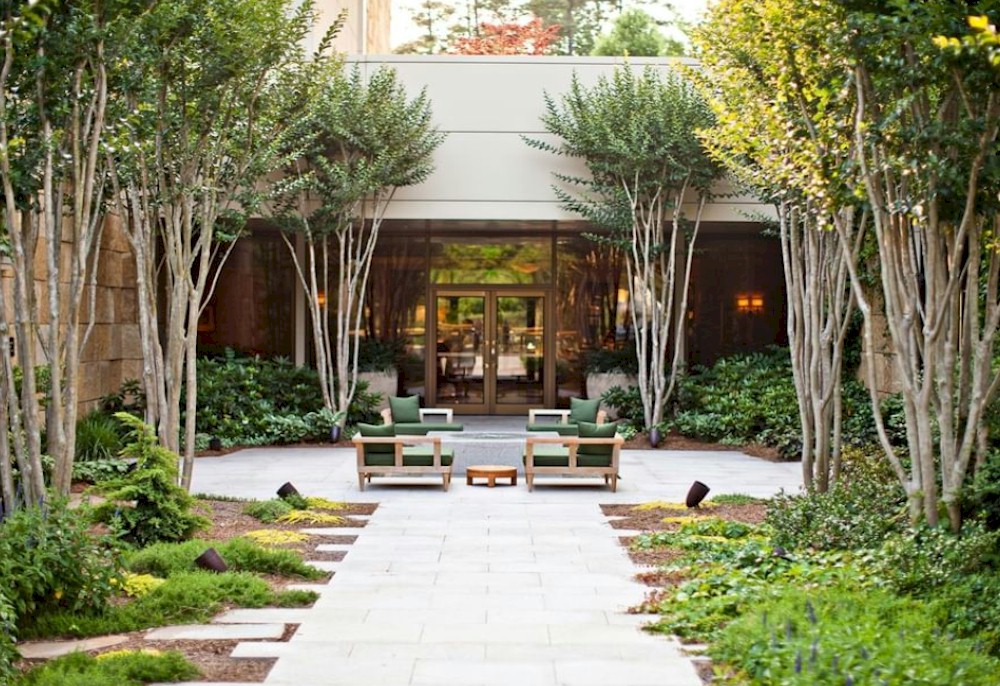
This article was co-authored by Taylor Hudson, Co-Founder, 21FHD Durham, NC
The new environmental report, Frontiers 2022: Noise, Blazes, and Mismatches from the United Nations environment programme (UNEP) published February 2022, offers solutions for what they call "Triple Planetary Crisis".
There are a number of growing public health threats that disrupt our habitat, causing very dangerous consequences to our planet. The Frontier report lists three emerging issues: Noise pollution, wildfires, and how climate change is disrupting the life cycle of plants and animals.
Because the world has faced so many changes in a drastically short period of time, a lot of environmental issues that people did not talk about have now emerged at the forefront, making all humans aware of the necessity for real change. The hospitality industry has grown exponentially in the last ten years and it is projected to grow even more.
There is a growing necessity for people to find different and more sustainable ways of traveling, which is why all hospitality professionals have the responsibility to research and propose solutions to reduce our impact on our suffering planet Earth. Planning, researching, sourcing, acquiring, maintaining, and discarding materials for construction is crucial at this time, as it is one of the largest contributors to carbon emissions.
The new and growing eco-friendly hotel market is the best representation of what can be done in order to progress and grow the industry without causing irreparable damage to the environment. New practices adopted in the construction and renovation of hotel properties have had a very positive impact, influencing more industry professionals to learn and implement these practices. Even more opportunities for positive impact come into play with the consideration of sustainably minded hotel operations and maintenance.
Even if properties do not pursue certifications such as Leadership in Energy and Environmental Design (LEED) or WELL Building Standard, becoming conscious about the matter and practicing small changes, like recycling programs for construction sites, is the first step in the right direction.
There are several hotels in the US known for what they have done to become eco-friendly or more sustainable and serve as examples for the ones that are looking to make the change. North Carolina is home to some of those sustainably forward properties, which represent how green hotels can come in different tiers and scales in order to accommodate a variety of travelers. The NC Green Travel Initiative, a program that has set specific standards related to environmentally friendly practices for NC lodging facilities, allows these sustainable hotels the ability to be recognized for their extensive commitment to sustainability. This is just one of the many great platforms that have recently been created to educate travelers, incentivize hotels, and further the mission of a more green travel industry.
Located in Cary, North Carolina, The Umstead Hotel & Spa is the epitome of luxury. They rank high on the NC Green Travel Initiative list with a score of three dogwood petals. This independently owned and operated property has been a symbol of pride for the Triangle area since it opened in 2007. The hotel is a Forbes Five Star rated property and was the first in the state to receive the coveted AAA Five Diamond Award. The Umstead is known nationwide for its beautiful grounds, luxurious spa treatments, highly acclaimed restaurant Herons, and 5-star accommodations. Everything they have to offer is done to the highest standards so it is no surprise that they have the same standards when it comes to sustainability. By subtly and not so subtly weaving sustainable efforts and practices into their operations, The Umstead Hotel & Spa has answered a frequently asked question in the industry - How can we be eco-friendly without compromising luxury, comfort, and guest satisfaction?
For starters, the hotel is situated on 12 acres of pristine natural woodlands which include a private lake. Part of what keeps the property so beautiful is its proximity to William B. Umstead State Park which is a protected forest area. The sustainable message that has been incorporated into the grounds and exterior of the hotel definitely honors this relationship with the park. An example of this is their, "commitment to ongoing maintenance of our three-acre lake, which features a restored stream, turtle nesting areas, butterfly garden and fountains that circulate the water for optimal plant and animal health."
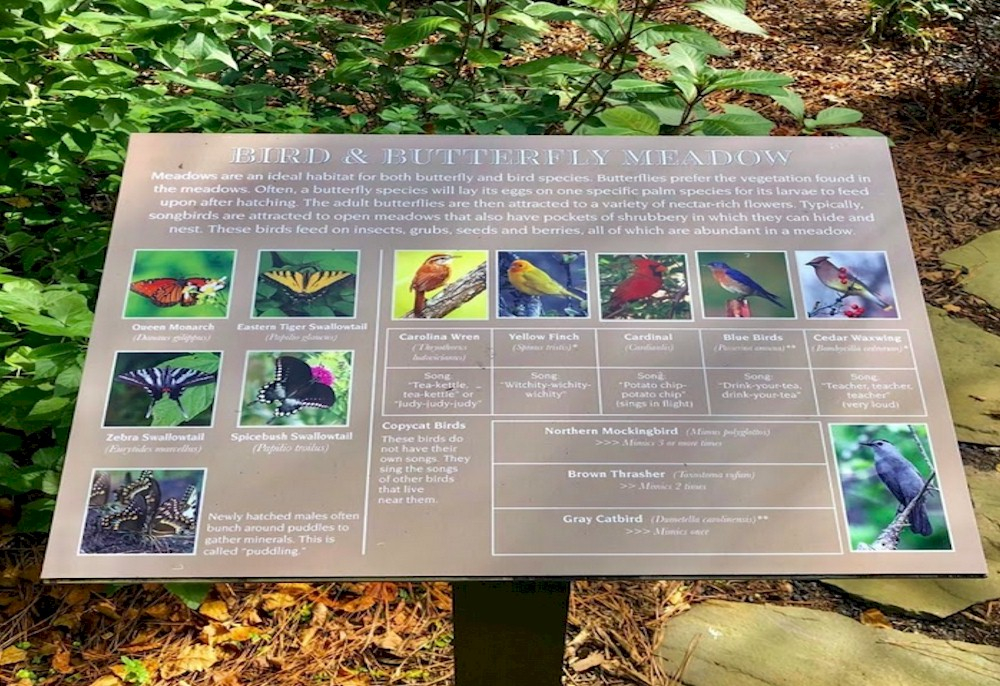
Windows are one of the number one areas in which energy consumption can be conserved or lost in great quantities. A UV film was applied to some of the exterior windows of the hotel in order to reduce increased energy use from the heating and cooling of their lakeside facing guestrooms. Other methods used to reduce their environmental impact are implemented into the property's operations. They elect to close their outdoor heated pool for the winter months in order to conserve gas and energy resources. In employee areas, automatic lights have been installed. Staff also composts food scraps to reduce the overall food waste produced by the property.
Another way The Umstead Hotel & Spa is advocating for the environment, and creating a great example of practicing social responsibility, includes supporting local farmers. They have relationships with 14 local farms which supply their food and beverage needs throughout the property. This relationship benefits the agriculture industry in NC greatly while also cutting down on carbon emissions by limiting travel distance for food products. The Umstead also manages and maintains their own small one acre farm. It is cleverly named "One Oak Farm'' for its size and the tree species most popular in the area, and is located within a mile of the grounds.
There is also a small garden located on the hotel grounds which produces fresh herbs for use within the hotel's F&B outlets. Freshly picked mint in a mojito is a great representation of sustainable luxury. These simple but impactful sustainable choices The Umstead has made in order to promote eco-friendly hospitality will hopefully serve as a model for other luxury properties to follow.

According to their homepage, The Proximity Hotel located in Greensboro, North Carolina, is the place to "Stay in sustainable style…" It is an employee-owned hotel within the independent and boutique sector that represents the best in green travel. Also ranking in the NC Green Travel Initiative with three dogwood petals, it became the first LEED Platinum hotel in the United States in the Fall of 2008. When Dennis Quaintance started planning the project he and his team were not pursuing LEED certification. With time hey learned all the possibilities they had to make the building more sustainable, using better products and materials for the building and adopting practices that were going to conserve water and energy. He ultimately decided to go after LEED Certification and aimed high by achieving the coveted Platinum level.
Dennis tells in this NPR interview that the project went over budget by about 3 million dollars because of their decision to pursue the Platinum level of certification, and their desire to make the building as sustainable as it could be. He also mentioned that even though they spent more than they originally planned to, they predicted a return on their investment in about ten years. It turns out it only took four years to make that happen. Water and electricity savings are only a part of what they did to achieve the Platinum status. They also recycled 87% of the construction debris which totaled to about 1,535 tons.
According to studies and the U.S. Green Building Council (USGBC) construction waste makes up a significant portion of the total waste produced in the world and contributes enormously to overall carbon emissions; so being able to recycle so much from the construction of the property resulted in a hugely positive impact on the environment. Another big contributor to the contamination of our planet is transportation. Over 40% of the building materials and 90% of the furniture were sourced locally, which means they created fewer carbon emissions due to the shorter travel distances. In addition to installing water-efficient toilets and solar panels, they installed the first regenerative drive elevators in North America which generate electricity on the descent, for the ascent.
It is important to highlight that being sustainable not only means taking care of the planet, it also means promoting economic prosperity and practicing social responsibility. The USGBC calls this the "Triple Bottom Line " which explains that if all three components - planet, profit, and people- are successfully established," a green building should have an increased value, which will result in increased profit, friendly design, and should also serve well to its users and the community." To make this goal of overall sustainability happen, The Proximity team focused on aspects of human health like indoor air quality and exposure to the outdoors. A lot of construction materials emit Volatile Organic Compounds (VOCs) when items like flooring and paint "off-gas". High amounts of VOCs present in the air are toxic for human health and cause sicknesses like Sick Building Syndrome and other types of building related illnesses.
Making sure the right materials were selected, played an important role in achieving the LEED Platinum certification for The Proximity Hotel. The building uses elaborate energy recovery systems to provide a large amount of fresh outside air to all occupants, and also provides natural daylighting to 97% of the occupied space through thoughtful design. These choices not only promote a healthy environment for occupants, but also help to save on the property's bottom line, making them smart economical choices. To further underline the importance of the Triple Bottom Line, the team commissioned local artists and craftspeople to create original art in the guestrooms, a cantilevered reception desk, and furniture pieces and accessories.

The Proximity hotel has a beautiful story behind it and you can find a sustainable practice behind every element in the space. It is another great example of how the hospitality industry can create sustainability forward properties that still present as luxurious and desirable accommodations.
Even branded hotels are embracing the move towards more sustainable practices. Aloft Hotel in Raleigh, a lifestyle hotel by Marriott, has done just that. Located in North Carolina's state capital and only blocks away from all of the best downtown attractions, it makes sense that the property has enhanced sustainability initiatives. Not only does this property participate in a number of sustainable practices but they do a wonderful job advertising it. According to Booking.com's 2021 Sustainable Travel Report, "83% of global travelers think sustainable travel is vital" and almost half of that group believes there is still a lack in the number of sustainable travel options.
When booking Aloft Raleigh, guests can read all about the accommodations, amenities, and the hotel's sustainable message. Promoting the eco-friendly initiatives that this property practices is a great way to increase awareness and bookings.
In order to expand the green travel industry, potential guests must know that they are traveling green, but not be inconvenienced by these practices. Aloft Raleigh has done a great job of subtly building in sustainable practices so that guests and staff are staying and working in a more eco-friendly environment, with little impact to comfort. By eliminating plastic straws, plastic coffee stirrers, water bottles, and individually bottled toiletries, they have reduced a large amount of waste typically produced by hotels. In place of the landfill-bound plastic, they have incorporated more eco-friendly single-use products for food and drink made with wood or paper; installed water coolers or dispensers with paper cups; and designed large dispensers for personal care items like shampoo and conditioner. Recycling bins can also be found in each room and in areas throughout the property, making it easy for guests to dispose of recyclable items properly. As an avid recycler, it's great to continue my everyday routine of recycling as much as possible, even while traveling.
Some standard sustainability practices often implemented into hotel properties can also be seen at Aloft Raleigh. These practices include LED lighting throughout most of the property, double-glazed windows, and water efficient fixtures in every room. Guests can also opt out of daily housekeeping and reuse towels/linens during their stay to actively practice more eco-friendliness and reduce their carbon consumption. These conscious choices can reduce energy usage in a multitude of ways. Think about this, while someone is in the room cleaning, lights must be turned on, water will be used; vacuums and other tools will use energy, and chemicals will be released into the air which reduces air quality for the housekeeping attendant and guest. This breakdown of potential energy consumption doesn't even account for the energy and water saved because linens and towels are being washed less often. Small changes can make a big impact!
A few other ways Aloft Raleigh incorporates sustainability into its operations is by maintaining electric car charging stations as well as providing bike parking and rentals. Bikes encourage guests to explore the city while not emitting any carbon emissions, and getting guests out into the city helps promote local restaurants, shops, and other businesses. Such a simple, and easy to implement, practice helps fuel the local economy and is a great example of how to incorporate elements of the economic segment of sustainability and The Triple Bottom Line. The property also supports the community by bringing in local artists, and their work, giving them a platform to exhibit their talents. This kind of exposure is crucial for a local artist. Overall, Aloft Raleigh successfully executes sustainable practices without compromising guest satisfaction. Hopefully, they continue to expand on them and fellow properties/brands do the same.
As the world keeps changing and evolving it becomes evident that there is a growing need for change. A change in the way we conduct business, particularly within the travel and hospitality industry. From luxury to economy, big or small, hotels need to adopt new practices to help reduce their carbon footprint. Furthermore, travelers need to learn and understand the environmental impact caused every time they travel and what change is needed to minimize that impact. By keeping in mind the Triple Bottom Line - planet, people, profit, professionals in hospitality, construction, architecture/design, advertising, and countless others can all aid in the effort toward a more sustainable travel industry. Even though recycling programs and reducing housekeeping services are good practices to reduce contamination and utilization of natural resources, some aspects in construction, equipment, and maintenance still need to be addressed since they have such a significant impact on the environment.
The Umstead Hotel and Spa, Proximity Hotel, and Aloft Raleigh not only prove to be sustainable properties, but they also demonstrate that being more sustainable also means being more profitable. Whether that is seen as a quicker than expected return on investment, higher room rates, or contributing to the profit of the local economy, benefits can be seen financially, which is a key point to stress in the uphill battle to make travel greener. These properties are all great examples of eco-friendly hotels because of their well-rounded approach to sustainability; incorporating practices that benefit the environmental, social, and economical aspects of the property, the occupants, and the environment. They demonstrate that leaning into sustainability can be done at any hotel no matter the scale, market, or service tier, and can be implemented in a number of impactful ways.