






Digital Transformation: A Balance Between Productivity, Safety and Service
By Robert O'Halloran






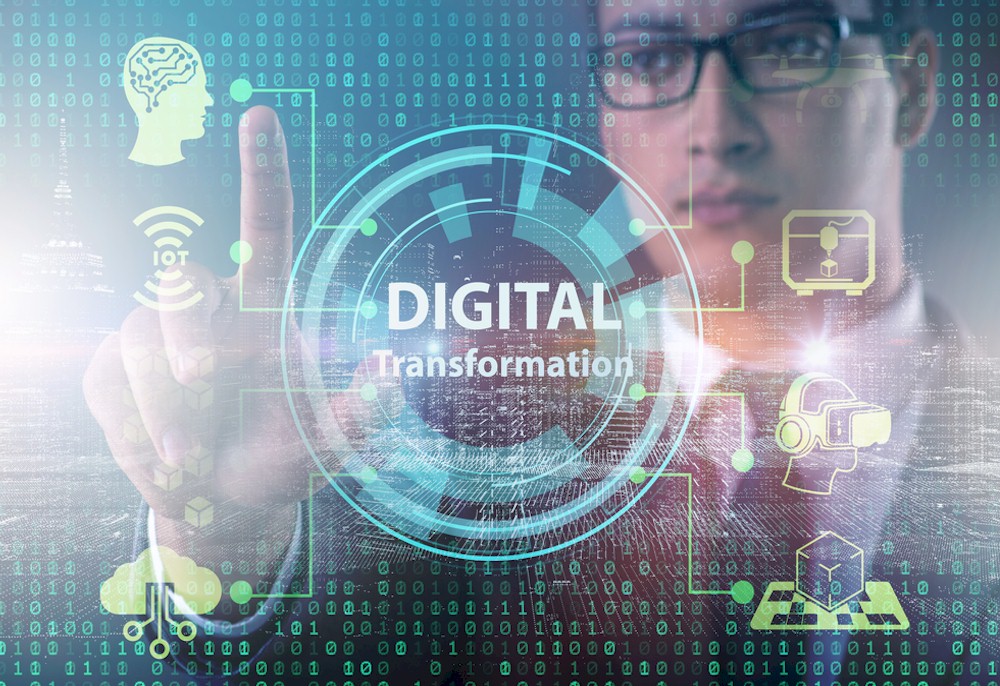
A presentation from representatives of a new Digital Transformation Center spoke about mobile technology.
The presentation also referenced a digital transformation, which is data-driven innovation that advances productivity, versatility, sustainability, reliability, safety, and profitability and equity.
Digital transformation is the interaction of information technology and operational technology with new and or big data and data science tools to produce digital transformation. Therefore, hotels are taking their technology game to a new level of guest interaction via mobile technology while maintaining and providing quality assurance for a high level of guest service. As a mature consumer, this author tends to be more old school when it comes to service.
For example, I have run out of memory space on my cell phone for new apps (yes, I need a new phone). Smartphones have become the most popular mobile device among users around the world, and mobile technologies have become indispensable components of people's daily lives, changing the way people communicate and interact with one another. The major advantage of mobile technology is that it provides internet access to everyone, anytime, and anywhere, using wireless devices.
Review of articles on mobile technologies and technology innovations indicate a diversity of keywords that include mobile hotel reservation system, perceived usefulness, continuous intention to use, machine learning, food delivery apps; technology acceptance model; mobile service quality; personalization; privacy; trust, interactive mobile technology; hotel mobile application; and enjoyment. The aforementioned words are not a comprehensive list, but they indicate that while mobile tech apps and content are important, it is equally important to be aware of guest perceptions and their satisfaction with new technological applications. Words like trust, acceptance, privacy, and enjoyment imply that mobile technology will create a new service standard for hotels in all facets of an operation.
In the broader sense, these technological innovations are impacting service, recruitment of employees, training, finances, marketing and brand awareness, entrepreneurism in the industry, and customer experience. Some research has indicated that hotels and businesses in general need to consider technological contexts, the organizational contexts, and the environmental context. Each context can present restraints and prospects for technological innovation adoption. We can also consider mobile technology in hotels via units and their impact in these units. Research has also shown that perceived ease of use and perceived usefulness have positive impacts on hotel consumers' experiences of mobile apps, and perceived usefulness and user experience influence hotel apps acceptance by customers.
With the increasing popularity of mobile devices, mobile commerce provides consumers with the ability to search for hotel and travel information from any location at any time. For example, a well-designed and well-managed mobile website can satisfy the needs of customers, whereas a poorly managed site can make customers frustrated and dissatisfied. For hotels, each operating unit needs to have clear goals and objectives in mind for mobile technology and digital transformation. An increase in technology applications have led to the re-evaluation of customer satisfaction.
Rooms
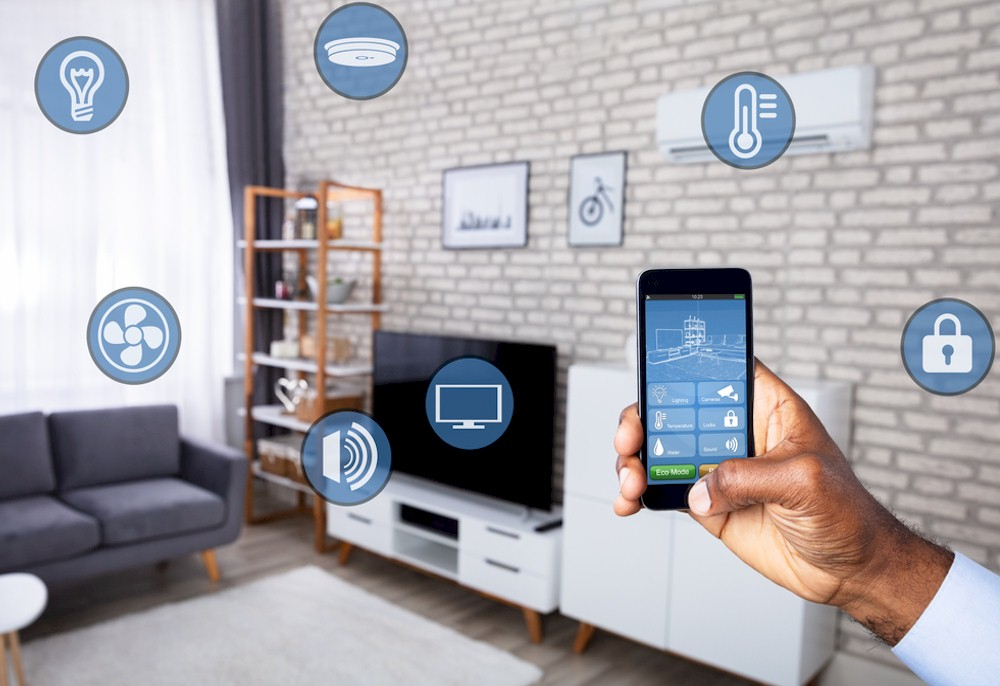
In addition to mobile check-in/out, mobile room keys, and contactless payment methods, hotels are now implementing branded concierge apps, guest messaging platforms, enhanced translation devices, and website chat bots. Smart rooms, voice and facial recognition, robotics, and A.I. technologies are on the near horizon. Sharma (2022) noted that mobile technology can streamline and support, non–contact welcome(s), better accessibility, integrated systems, guest expectations, better payment methods, employee coordination, division of work and changes in the check-ins and check-outs.
If we can think as consumers for a moment, how do we use our mobile technology and are we satisfied with it? If a potential guest is looking to book a room at your hotel, they need data, and access to a reservation system. Their pre-check phase includes researching your hotel, its amenities and facilities and any signature opportunities your hotel provides. They want to examine rates, potentially make some comparisons with your competitors, and ultimately make a reservation decision based on their assessment of best value for them. With a reservation made and confirmed, directions can be secured, and travel arrangements can be confirmed, and then, a guest is on her/his way. Upon arrival, they can check in before getting to the hotel and likely use their cell phone to access their guest room.
If it all works that seamlessly every time, that's great, but it does not always work that smoothly. If they run into problems with a reservation app, potential guests will need assistance, which could mean a chat bot conversation. These conversations are not always successful, and guests find themselves talking to a machine. In addition to mobile check-in/out, mobile room keys, and contactless payment methods, hotels are now implementing branded concierge apps, guest messaging platforms, enhanced translation devices, and website chat bots.
Non-tech savvy people do not always find the mobile tech options as intuitive as others. When in doubt, they may tend to call via telephone. The dilemma for hotels is how to provide outstanding service in new touchless and often people-less spaces. The key to good service as always will be communication and an overt human element in service offerings, dilemmas, and service recovery scenarios. In modern communication if a guest connects via telephone, it can be difficult to talk to a person immediately without going through a series of questions and prompts.
The message for operators is that quality assurance of seamless service needs to operate at high levels. In the big picture, digital transformation/ mobile technology can impact hotels across all operating areas. Referencing the Digital Transformation Center again, digital transformation is the hub for management, training, operations, logistics, human resources and marketing, finance, and innovation. Therefore, the integration of guest-room technology increases the gratification of the guests' experience and positively impacts customer behavior intentions in the future. Mobile technology can also provide workable answers by enhancing the talent pool available to hotels and assisting them in making the most of smaller teams. The following discussion reviews functional units in hotels and their relationship with mobile technology.
Housekeeping
Housekeeping as a functioning unit of a hotel is typically the largest unit in the hotel in terms of number of employees. The pandemic has had an impact on the demands of housekeeping units. Due to new safety protocols and limitations on staffing etc. most hotels offer options for guest room cleaning and changing towels and more. These changes have caused adjustments to standards and prompted some changes in the number of employees required in housekeeping. Research has indicated the use of mobile learning can be useful as a learning medium for knowledge of terms in housekeeping material.
Housekeeping operations have also been impacted via mobile technology for scheduling, guest room status and readiness and communication. Technology has yet to assume cleanliness responsibility for rooms, however hotel management's focus is arguably on efficiency and effectiveness in the housekeeping department, which can translate to guest satisfaction. Luthje, (2022) shared a list of housekeeping software options and these are offered via this link as a resource.
Food and Beverage
Food and beverage units have embraced mobile technologies and created new operating models. Hotel restaurants have applied mobile technology for guests to preview menus, make reservations, provide feedback on service, food and beverage quality, pickup, and more. For example, who would have thought hotel restaurants would work with food delivery services. On a global basis, on-demand apps provided by third-party intermediaries such as Uber Eats, Deliveroo and Door Dash in the United States, or Just Eat and Deliveroo in the United Kingdom, or Ele.me and Meituan Dianping in China have become key players in the industry who continually are developing marketing strategies and technological innovations to increase their market share.
The success of these platform-to-customer operators has also motivated and attracted local food delivery start-ups to enter the market. Therefore, to increase the competitive advantage and keep up with ever-changing customer demands, current and potential food delivery app providing companies have a common goal to become a fully integrated platform with latest trends and technological advancements such as effortless ordering, advanced delivery tracking system, instant delivery, one-step checkout.
The number of food and beverage innovations seems endless and there are more to come. Hambleton (2022) noted that food and beverage operators need to optimize mobile technology in food and beverage by, integrating guest information, maintaining the need for speed, therefore focus on realizing true earning potential.
Meetings and Events
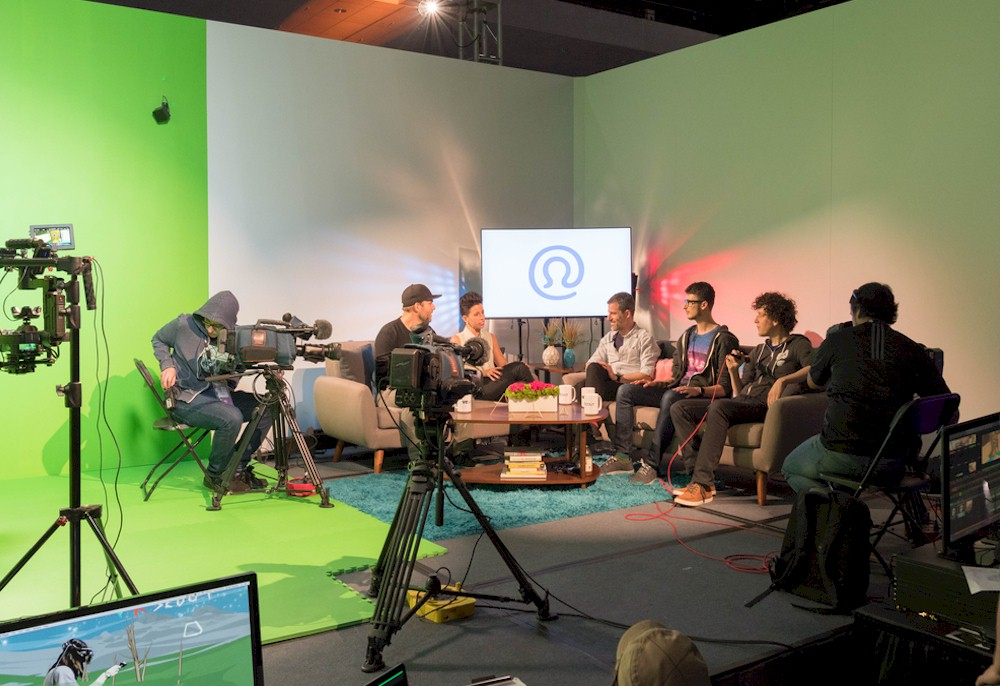
In the recovery phase from the pandemic, meetings and events have dramatically changed. Meetings and events have adopted mobile technology and specific meeting and event apps to new meeting planning, presentation, and evaluation. Drawing upon previous literature, meeting and event researchers have put forward a notion of mobile event application (MEA), which is defined as a mobile application providing information about Meetings, Incentives, Conferences & Exhibitions (MICE) activities' schedules, agenda, speaker bios, layout and location of meetings and exhibition rooms, as well as local area and city information or highlights.
They additionally noted a study conducted by American Express stated meeting organizers have recognized the great potential of MEAs in the context of MICE and improved both their technology infrastructure and application features to take advantage of this promising technology. Also, authors focusing on meeting technology noted multiple content areas including:
- Pre-event technology
- Association websites
- Information portals
- Virtual Site selection and research
- RFP
- Integrated event software
- Marketing
- Social Media
- Artificial Intelligence and Machine learning
- On site technology
- Augmented reality
- Projection mapping
- Audience response and speaker interactions
- Smart phones and mobile devices
- Mobile apps
- Lead retrieval
- Event badges & Tickets
- Registration
- Facial recognition
- Virtual meetings and post event
Finally, Banfield (2020), noted that mobile apps are a single stop for information for participants, from accessing the event agenda, to viewing the attended list, to general event information, to receiving messages and special offers from sponsors.
Marketing & Social Media
Hospitality and tourism businesses have begun to develop smartphone phone applications (apps) to communicate marketing messages to consumers that influence travel decision-making and consuming behavior. Smartphone technologies support new communication patterns between travelers and service providers, entailing a consumer experience co-creation that affects consumer purchase decisions. With the increasing popularity of mobile devices, mobile commerce provides consumers with the ability to search for hotel and travel information from any location at any time.
To reenforce the point, hotel operators need to be able to connect high quality service with technological innovations. Issues like brand awareness can be enhanced by proper positioning and directed channels. Posting to Instagram, LinkedIn, and more can be helpful in increasing the awareness of a brand but also a specific location. These efforts can tie well to the local community and its efforts to have a sustainable hospitality system in place.
Gaming Opportunities
In addition to convenience, mobile apps can be interactive by offering gamification such as challenges, rewards, and leaderboards to reinforce event goals and increase engagement leading to an immersive event experience. Innovative consumers typically expect high benefits from innovation and adopt new product and services more extensively and quickly than others, and in return, they provide feedback and revenues to companies offering new products and services, making them a valuable market segment. Today's increasingly technology-savvy hotel guests travel with various devices, such as smartphones, mobile phones, tablets, and laptops, and they use them to pre-check into their hotel rooms, browse the internet, and purchase hotel products and services before and during their stays.
Gaming and gamification provide destination, tourism, and hospitality marketers the opportunity to create informative and entertaining settings for successful interaction and communication. There are various objectives for implementing gamification in tourism and hospitality including raising brand awareness, enhancing tourist experiences, increasing engagement, improving loyalty, introducing entertainment, and supporting employee management. Gamification has the potential to be the innovation that influences hotel visitors' experience and develops beneficial behaviors, both individually and collectively. Gamification was originally defined as the use of game mechanics and metaphors in a non-game context. The question is, can gaming and gamification also be used for thinking and problem-solving skills.
For example, InterContinental Hotels Group's (IHG) trivia game Win It in a Minute awards correct answers with free miles and capitalizes on the intrinsic motive of achievement and accomplishment. Findings reveal that certain elements in gamification systems will make the system more engaging to users. The reasoning behind this strategy is the phenomenon of gamification itself – the complex idea of a system being both a game and a marketing tool. Gamification has the potential to be the innovation that influences hotel visitors' experience and develops beneficial behaviors, both individually and collectively.

Mobile Technology in the Hospitality Curriculum
Hospitality curriculums typically offer a technology course of some kind and or integrate current technology into coursework for functional units of a hotel. The likelihood of adding courses permanently to an approved curriculum is at best time consuming and at worst logistically burdensome. However, the rapid changes in our industry, especially those connected to technology applications and innovations, require faculty to keep current on all facets of industry operations. The question becomes how do we integrate mobile and cellular technology into the curriculum? The issue becomes one of teaching and learning tools and delivery methods.
For example, tablets, cellphones, and devices have the potential to play a useful role in the academic learning process. Research on learning for housekeepers indicated that the following factors can and should be considered, including educational challenges and the use of cellular technology in the form of mobile learning tools as a learning resource. Innovative learning tools are part of the learning media needed by students and teachers to focus on learning that can occur anytime and anywhere. These learning tools also assist with needed content knowledge, and efficient use of time and flexibility can be part of all learning but especially online learning.
The use of mobile learning is quite useful as a learning medium for knowledge of terms in housekeeping material. Mobile learning is suitable to be used as an alternative learning media as a companion module because the learning media can complement the information needed by students. This learning media is expected to be a solution to create innovation from the rapid development of smartphone use among school-age children and technological development that knows no age restrictions. Learning media can also be used by teachers or diploma-level students who are just entering the hospitality field or anyone who wants to learn the term housekeeping.
A chapter on technology listed meeting and events learning objectives, as a student will be able to:
- Discuss pre-event planning technology
- Explain the use of technology in meetings and events
- Marketing and communications like blogging, podcasts, and eblasts
- Compare and contrast the major social media platforms
- Discuss the key technological resources used on-site, such as bandwidth, discuss audience response systems
- Event badging and ticketing
- Identifying key components used in virtual meetings, events, and trade shows, and
- List the technologies used post-event in data collection and measurement
Identifying learning objectives for lodging, food and beverage, front office and marketing and more could be a helpful exercise for hotel managers.
Summary
The question that hotel operators need to answer for themselves is what are the goals and objectives for a mobile technology integration program? As noted at the beginning of this discussion, the use of mobile technology and or digital transformation efforts need to be integrated with guest service and satisfaction to provide high-quality guest experience(s).
Mobile Apps are great but there needs to be a broader application of digital transformation and mobile technology to be inclusive of a property's website and communication. Hospitality researchers have highlighted the benefits of adopting mobile technology in the hospitality industry. According to them, guests prefer to use their hotel mobile devices primarily to search for hotel events and facilities, leave a review, and check out of the hotel.
With the rise of mobile technology, it is imperative for hospitality businesses to treat technology as amenities when discussing guest satisfaction. The integration of guest-room technology increases the gratification of the guests' experience and positively impacts customer behavior intentions in the future and therefore, the development of information and communication technology presents unprecedented challenges and opportunities for hospitality businesses.