






Curated Olfactory Environments for Hotels
By Lawrence Adams






As hotel companies strive to promote bespoke identities for their distinctive collection of brands, they look to carefully craft the guests’ experience through exceptional architecture, interior design and other means of engaging the travelers’ senses to make the lodging experience uniquely pleasant and memorable. Curating a distinctive olfactory experience has become an important component of the sensory ensemble for luxury hotels in formulating a lasting impression.
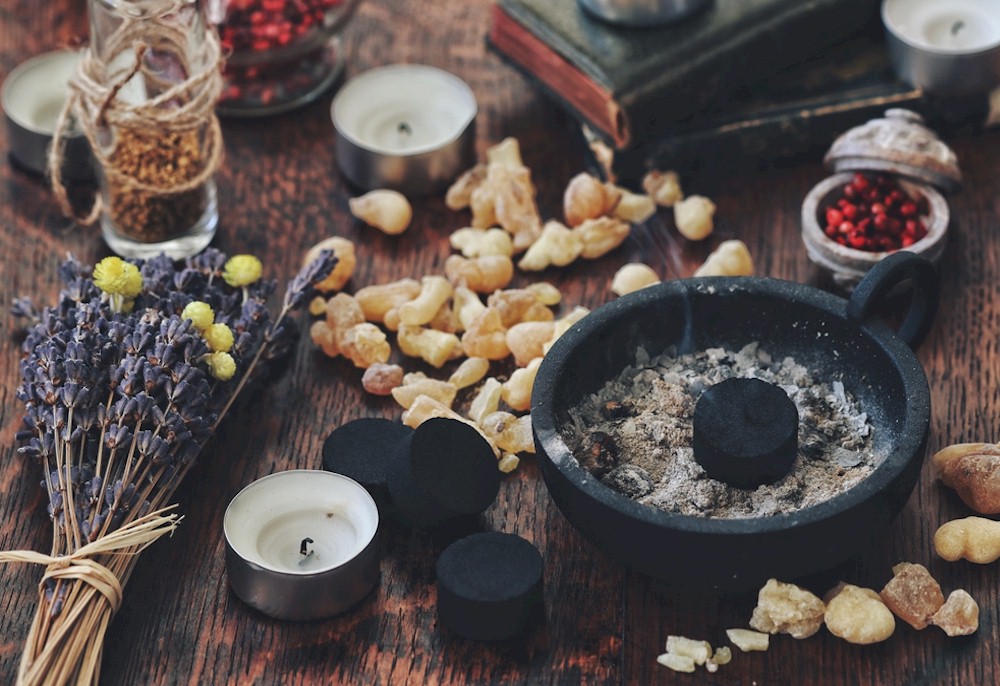
Use of aromas in hospitality environments can be traced back to the use of incense in ancient caravansaries when fragrant resins such as frankincense and myrrh were used to mask unpleasant odors associated with lodgings along major trade routes and to establish a welcoming ambience for weary travelers. One such trade route was called the Incense Route as the main artery for the transport of spices and aromatics from Arabia to the Mediterranean beginning in the third century BCE.
The modern era first saw the use of diffused aromas in hospitality in Las Vegas in the 1970s when smoking in public spaces was common in casinos. Use of scent diffusers was initially used to mask the cigarette smell problem in casinos but since the casinos were connected to hotel lobbies, scent diffusers came to be used to create a welcoming atmosphere for arriving hotel guests. One of the first major brands to fully embrace the notion that aromas contribute to the sensual enjoyment of hospitality was Westin with its creation of its signature White Tea fragrance which it introduced into the lobbies of all its properties beginning in 2006. Following Westin’s lead, many luxury brands started featuring their own carefully crafted signature aromas in their lobbies and public spaces.
Olfactory Science
The sense of smell has the longest lasting impression of any of the human senses and is closely associated with emotions and memory. It has been scientifically proven that memory of events and experiences is strongest when associated with particular aromas. Humans have about 450 different types of olfactory receptors (dogs have over 900). Our ability to detect a wide variety of smells derives from the complex interaction of olfactory receptors with odor molecules. When molecules from volatile substances incite the neurons of the olfactory receptor cells, they send a signal to the olfactory bulb which connects directly to the limbic system in the brain that processes emotion and memory. Neuroscientists therefore contend that our brain learns to closely associate certain particular smells with specific emotional memories. New car smell, Dad’s Old Spice, mothballs, movie popcorn, fresh paint or a rose garden may all bring back strong memories faster than any other senses.
The art and science of scent diffusion for interior spaces is closely tied to the creation of perfume fragrances. Under direction from fashion designer Coco Chanel in 1921, renowned chemist and perfumer Ernest Beaux created Chanel No.5 using a chemical synthesis of around 80 substances including rosewood essential oil, jasmine de Grasse, orange blossom and sandalwood to achieve its intense sensuality. Cartier’s visionary inhouse perfumer, Mathilde Laurent, assembled over 700 natural and synthetic substances that she accessed in her olfactory design studio in producing over 30 highly acclaimed perfumes.
Perfumers refer to stages of aroma development when combined substances evaporate on the skin at different rates over time. The top, heart and dry down stages may have different characteristics that define the full olfactory experience. Diffusing aromas in an interior space requires a different approach since the goal is to have a consistent aroma over time. Scent diffusers in hotels are typically incorporated in the HVAC system with sophisticated adjustable controls to govern intensity and consistency.
While perfumes are fragrances designed to unfold through interaction with skin, essential oils are more suited to air diffusion technologies. Perfumes typically require the use of alcohol with natural or synthetic oils during extraction to achieve their complex scent profiles. Natural essential oils are pure extracts of scent molecules from natural resources such as plants, flowers, fruit, spices, and other natural materials. Synthetic essential oils are formulated in laboratories using chemical compounds and, as natural materials become less available, are easier and less expensive to produce.
Diffusion Technology
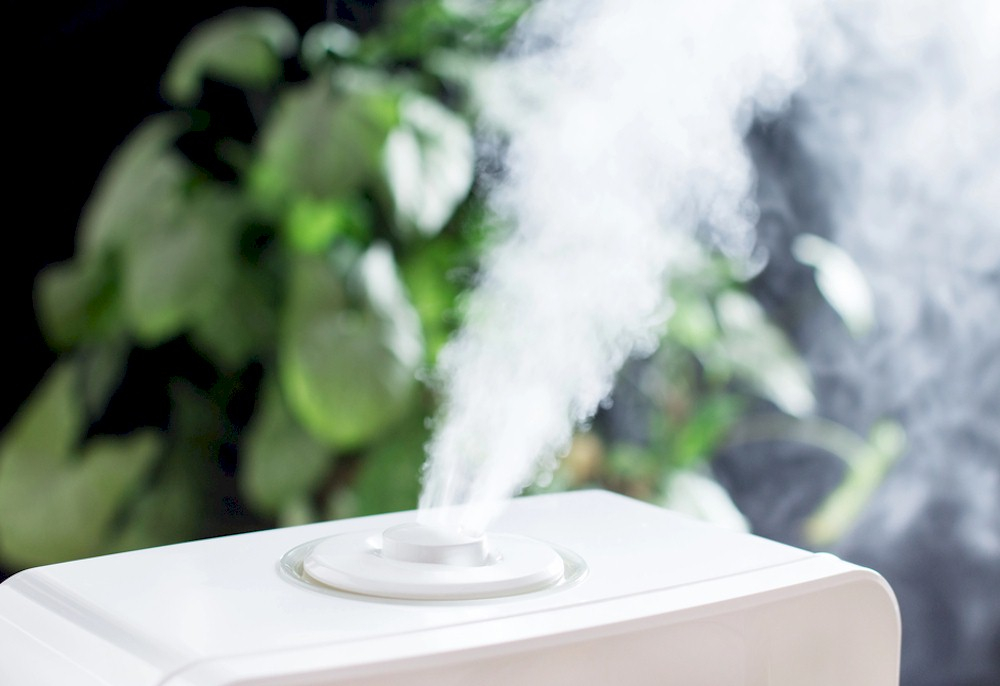
There are two basic types of scent diffusion used in hotels: cold air (dry) diffusion and ultrasonic diffusion. Cold air diffusion uses nebulizing technology to diffuse fragrances by converting scented essential oils into an ultra-dry micro-mist. Cold air technology is produced without water, alcohol or heat for a cleaner more consistent scent distribution. It produces long lasting scents in high concentrations making it suitable for larger areas such as hotel lobbies and other public spaces.
Ultrasonic technology is suitable for smaller areas such as the hotel guestroom since it can provide air purification functions along with scent distribution. The therapeutic benefits of ultrasound diffusion align more closely with aromatherapy goals of calming stress relief and improved sleep.
Essential oils like chamomile, lavender, cedarwood and bergamot have been particularly effective in reducing anxiety and enhancing sleep. The Delos Stay Well room provides aromatherapy delivered to the room through an Ascents® Diffuser that provides a range of all-natural scents through the diffusion of a variety of gel pods made from natural oils and botanical essences. Guests may select their desired blended scent from a thematic selection that includes Calm, Sleep, Focus or Energize and may adjust the diffuser for desired intensity. (Beyond Magic Fingers: Sleep Science for Hotels and Resorts, by Lawrence Adams for Hotel Business Review, 2024)
Disney has patented a diffusion technology called the Smellitizer to enhance the experience of many of its attractions and rides. The technology is relatively simple as the device propels aromas through forced air over scent-impregnated inserts. It can be programmed to emit up to 30 different scents in as little as 30 minutes. It is unique in that it can effectively function in outdoor areas so Main Street, USA has a wafting vanilla smell and Pirates of the Caribbean enjoys ocean breezes and orange groves.
Aroma Families
Recent research has postulated that the human nose can detect over one trillion distinct aromas and odors. With a near infinite variety of aromas that can be distinctly identified, it is useful to categorize the basic types of scents into families. The eight basic aroma families include Citrus, Floral, Herbaceous, Camphoraceous, Minty, Spicy, Resinous/Musky and Woody/Earthy. Each aroma family exhibits primary aromatic traits with corresponding visceral effects. For example, citrus aromas exhibit characteristics that are tangy, tart, fresh and clean with corresponding effects that are energizing, refreshing, invigorating and uplifting.
Musky aromas exhibit characteristics that are described as smoky, earthy, woody, and leathery with corresponding effects that are balanced, intimate, relaxing and grounding. Minty aromas exhibit characteristics that are described as crisp, strong-scented and fresh with corresponding effects that are bracing, rousing, lively and stimulating.
Scent Branding
Scent marketing is a strategic marketing technique that uses carefully crafted fragrances aimed at consumers to foster brand identity. The strategy exploits the impact on memory and emotions produced by aromas to connect products with consumers and influence purchasing behavior. The approach is to target olfactory sensation to create memorable brand experiences. Hotel companies are embracing this strategy as they look to develop brand identity and customer loyalty through the same approach.
In shaping the brand experience, hotel perfumers think of the scent as part of the room’s design, setting the mood and emotional experience in harmony with the décor, lighting, music and other sensations. Experts recommend that hotel scents should be light, elusive, delicate, alluring and natural, avoiding heavy floral, sweet, fruity or pungent notes. The scent should achieve an ambience of subtle sensory delight without being overbearing.
Master perfumers are like sommeliers in their ability to poetically describe the sensations of smell like the taste of a fine wine in terms that evoke sensuality, personality, and emotion. The online website for sophisticated aroma lovers, Fragrantica has reviews of thousands of fragrances that attempt the nearly impossible task of conveying scent characteristics through words alone.
Le Lobo, the renowned fragrance house that created the signature aroma, Black Tea and Fig for The Edition hotel brand, describes its product as follows: The head notes of this luxurious fragrance stream with herbal, fruity (fig) and citrusy elements that soon drift into a fragrant heart bouquet featuring facets of deeply aromatic black tea leaves, earthy star anise metallic, green violet leaf, cool, minty eucalyptus, dreamy, passionate red-red rose, sweet, dazzling peony, sensual sage and spicy, potent thyme. The scent completes with a dry down marked by warm, spicy and sugary ginger root, honeyed amber and aromatic, sensual white musk.
- Ritz Carlton distinguishes each of its locations with customized scents to convey a sense of place along with its signature luxury brand elements. Some examples as described by Air Aroma, the designer of each fragrance are as follows:
- Ritz-Carlton Maui, illuminate – Speaks to Hawaii’s tropical allure, with notes of freesia, pineapple, sea breeze, orange blossom, jasmine, and musk. Floral, aquatic, and fresh, Maui’s idyllic location carries through the scent, provides a similar lush oceanic sensation.
- Ritz-Carlton Washington DC, Springtime - Evoking the iconic cherry blossoms seen and smelled in the Spring creates a floral, fresh and sophisticated scent profile with notes of cherry, pear, rose, magnolia, and French amber.
- Ritz-Carlton Portland, Saffron Suede - Paying homage to the City of Roses, the floral, woody, and polished scent exudes notes of rose, suede, frankincense, cedarwood, vetiver and sandalwood.
- Ritz-Carlton Denver, Cedar Mood - Bold, woody, and musky, the scent’s top note of Balsam Fir reminds of the nearby majestic Rocky Mountains, while supporting notes of green tea, cedar leaf, cardamom, patchouli, indigo wood and amber uplift for sophistication.
Some other examples of hotel signature scent monikers are as follows:
- Westin, White Tea - Citrus elements, clean exotic white tea bud, musky red rose, rich jasmine petal with aloe vera and elements of cedar and white musk.
- 1 Hotel South Beach, My Way - Jasmine-tinged Tuscan leather, fresh lemon and spicy, woody cardamom with creamy sandalwood, dry cedar and warm cinnamon and elements of musty vetiver, honey amber, sensual musk and raspberry-nuanced iris.
- Shangri-La, Nirvana - Warm, spicy pepper, nutty, sweet nutmeg with honey freesia, intense jasmine, musky red rose, light green tea and elements of juicy lychee and redolent ylang ylang.
Choreographing the Senses
As I wrote in a recent article (First Impressions: Designing The Guest Arrival Experience, by Lawrence Adams for Hotel Business Review, 2024) guests’ first impressions upon arrival have a lasting impact on a guest’s perception of the overall lodging experience. As the sense of smell impacts memory and emotions, the opportunity is to fashion the arrival experience by combining fragrance with the overall hospitality ambience that might also include stylistic architectural interiors, atmospheric lighting and gentle music along with gracious hospitality from staff.
Different areas of a hotel might be composed with their own fragrance experience to align with the use of the space. The hotel lobby and arrival area should have fresh, welcoming fragrances like citrus, green tea, or sea breeze that help guests feel energized and excited to begin their stay. The guestroom should have fragrances that promote relaxation and restful sleep with scents that are calming, soothing like lavender, jasmine, or sandalwood. Meeting spaces are designed for productivity and focus so energizing scents such as peppermint, rosemary, or green tea would be appropriate.
The hotel spa could have aromas like eucalyptus, chamomile, and mint which provide a tranquil atmosphere that enhances the wellness experience. With technologies like Disney’s Smellitizer we can see outdoor areas like event lawns for weddings, music performances, receptions or outdoor meetings enhanced with fragrances appropriate to their activity.
If we look at the hotel experience in theatrical terms as choreographed moments where designers influence the sensual impact on guests as they move through space, we find that there is a history of incorporating aroma with theatrical experience. Introduced at a 1939 World’s Fair movie theater, an invention called Scentovision used a network of pipes connected to seating so that scents were delivered at times coinciding with the film’s soundtrack. Smell-O-Vision was a similar innovation in 1960 where viewers could smell the action in the film. Scent of Mystery was a film that used Smell-O-Vision where the producers injected 30 distinct odors into the movie theater seats synchronized with the scenes in the film.
A recent, highly sophisticated version of the paring of aromas with theater was the synesthetic production of Scriabin’s Prometheus, The Poem of Fire in San Francisco’s Davies Symphony Hall. The revolutionary production combined music, synchronized lighting and curated aromas to immerse the audience in a dramatic multi-sensory experience. For the production, Cartier’s in-house perfumer, Mathilde Laurent created scent accords specifically for the event that were delivered by dry-air diffusion devices strategically placed in the hall during key moments of the performance, treating the audience to a multi-sensational experience. (Beyond Magic Fingers – Sleep Science for Hotels and Resorts, by Lawrence Adams for Hotel Business Review, 2024)
Recent architectural exhibits have also incorporated aroma in their artistic palette. OSNI 1 is an olfactory art installation at the Palais de Tokyo in Paris as a unique collaboration between architect and scent designer. Mathilde Laurent collaborated with Munich architect Transsolar in Cartier’s Unidentified Scented Object, where visitors enter a glass cube, climb a twisting staircase and emerge from a floating cloud to perfume-filled clear air. Laurent’s scent, L’Envol (The Flight) was inspired by the idea of a sense of elevation, imagining the smell of the sky.
It follows that crafting the sensorial experience of hotel spaces could be analogous to a symphonic composition where architecture, furniture, form, colors, accessories, textures, lighting, music and fragrance are sensuously composed, as instruments, to deliver an immersive and stimulating experience for its guests. The composed ensemble would ideally support and embody the bespoke personality and ambience of the hotel brand’s fundamental design principles.
Aromatics with GenAI
As we look forward to ways olfactory environments in hotels continue to evolve in delivering stimulating experiences for hotel guests, we want to see what Generative AI has to offer in the future. (see Generative AI in Hotel Design, Hotel Business Review, by Lawrence Adams)
While not practical in public spaces, personalized fragrances may soon be delivered to hotel guestrooms as selected by guests to coincide with their mood or activity. Generative AI may play a role in customizing a scent based on scent prompts entered by the guest into an algorithm that trains on a dataset populated with thousands of scent profiles. For example, as a guest may be studying for a test, writing an article, or preparing a speech they may enter a prompt that elicits a custom scent stimulating focused cognition supporting their work.
It is conceivable that an innovative diffusion device could be provided in the guestroom that would provide the option of choosing between hundreds of scent profiles. Advancing the capabilities of the Ascents® Diffuser used by Delos, the device could be equipped with multiple essential oil gel pods that when mixed according to a detailed AI-generated formula would produce a customized fragrance unique to the guest’s specifications.
In-room entertainment systems may be provided with sophisticated multi-sensory devices controlled from a smart phone app that include the introduction of synchronized aromas during a movie, documentary, or music performance shown on the smart TV.
In public spaces the future may see fragrance bubbles or mini zones where a single guest or a small group may select an aroma that is restricted to their immediate orbit through a system of contained scent molecule distribution similar to noise cancellation technology. As I sit in the lobby reading the newspaper I may prefer to be surrounded by the subtle aroma of a eucalyptus grove instead of the ambient smells in the larger room.
There are several new innovative approaches to the use of aromatics in entertainment. OVR Technology introduced their Architecture of Scent platform with a scent device attached to a VR headset letting users trigger aromas synchronized with game inputs. 4DX is a 4D film presentation system with stereoscopic effects that include scents that accompany motion-seats, wind, strobe lights and simulated snow. A computer peripheral device by DigiScents is designed to emit a smell when a user visits a web site or opens an email. These new innovations may inspire new olfactory applications to enhance the hospitality experience in the future.
It is unlikely that most hotels would look to have such advanced technology to control aromas to the levels discussed here, since most simply want to offer a subtle pleasant atmosphere for its guests and not call attention to smells. However, we can imagine that some cutting-edge lifestyle brands might cater to guests that look for innovative and exciting experiences in their lodging choices and so will push the envelope in providing immersive olfactory environments for its inimitably perceptive clientele.