





How Asset & Financial Managers Maximize the Spa's Potential
By Judy Singer






We all know that it is very expensive to develop, market and operate a spa. All too often, the spa is a “lazy asset” to a lodging/real estate venture. In our 30 years of business as a spa consulting company, HFD has always been a persistent promoter and advocate on how spas are profit centers in and of themselves as well as marketing tools to sell rooms, real estate, etc. I am still amazed and disheartened to see how many lodging operators are still unaware of and not committed to maximizing the spa's potential to be a departmental profit center as well as a tangible asset to the “core” business of selling rooms and/or real estate.
It's difficult to understand how people can spend millions of dollars to build a spa and not operate and market it to its full potential. Perhaps they just don't know what to do and what to expect because their experience, expertise and “comfort zone” is more with rooms and F&B than with the spa. We do know that without knowledge, expectations are low and, therefore, results are low. The spa can and should be a profitable and marketable asset, not a waste of valuable real estate or an expensive, under-performing asset that detracts from rather than adds to the overall guest experience and financial viability of the property.
On a positive note, in the last few years, we have seen a heightened focus on the spa as an increasingly important component to the overall success of the property. This is primarily due to the valuable role of enlightened asset managers and astute directors of finance. I asked 4 financial experts to answer 3 questions regarding what they do to help their clients maximize the spa's potential as both a business unit and an added dimension to the overall core lodging/real estate business. Three of our four experts are asset managers and members of the International Society of Hospitality Consultants (www.ishc.com). Our 4th expert is the Director of Finance at a luxury urban hotel that does not have an outside asset manager. I am sure you will find their advice to be insightful and valuable…and hopefully easy to apply to your spa and hospitality business.
- Matt Arrants, Managing Director Pinnacle Advisory Group and ISHC Member
- Rich Warnick, Principal Warnick & Co. and ISHC Member
- Chad Crandell, President CHM and ISHC Member
- Ben Campsey, Director of Finance, CPA, MBA, CHAE The Umstead Hotel & Spa
**EXPECTATIONS**
*Describe your expectations regarding the spa as a profit center and a marketing tool for lodging/real estate sales...*
**Matt Arrants**
The spa is a critical element of all hotels and resorts; however, many developers and owners tend to overlook it. This is often due to a lack of experience and understanding. Therefore, we spend a lot of time educating ownership on the impact of the spa though an ROI analysis that factors in potential impact to occupancy and average rate in addition to departmental profitability.
When developing expectations for the impact of the spa, we study comparable operations to gather as much data as possible and then make reasonable adjustments and assumptions. Due to interdependent relationship of the operation coupled with the numerous other factors that affect an individual property's performance, we never apply any sort of “rule of thumb” when it comes to estimating the spa's impact on other areas of the operation. Departmental revenues and profitability are easier to quantify given the increasing availability of comparable data; however, each operation is different and those differences should be addressed. Just because a spa down the street has profit margins of 40% doesn't mean that you should expect the same.
**Rich Warnick**
In most upscale hotels and resorts, a spa is an expected amenity and without one, properties are likely to be competitively disadvantaged. Nevertheless, spas are expensive to create and usually occupy valuable real estate. Add to that a decline in spa usage in recent years, and it becomes clear that a spa must be thought of as a component of a property's overall strategy. Our expectations are based on how well the spa helps deliver on that strategy.
Is the spa simply a necessary guest amenity (allowing group or leisure guests to “check a box” in their overall assessment of a property) - or is it a differentiator, i.e., a key reason for guests to come to a property - or stay longer once they are there? Even when it is a differentiator, it's easy to get caught up in the arms race that has become “Spa Wars.”
As for profit expectations, they vary widely based on a wide variety of factors (type, concept, size, geographic location, surrounding population/demographics, labor market, etc.). In properties with a full service spa (say, 10 or more treatment rooms, some wet areas, sauna, relaxation areas, specialized therapies, and retail), we expect margins of 25% - 35% (this number assumes the salon, if any, is leased and spa F&B is separately accounted for in the F&B department). For a “check-the-box” spa (i.e., a few treatment rooms, sauna/steam), breakeven would be a happy outcome.
**Chad Crandell**
An asset manager's goal is simple: enhance hotel value and optimize investment returns. By this very definition, an asset manager's expectation is that all operating components of a hotel or resort should positively contribute to the profitability of an asset. In the case of a spa operation, however, it becomes increasingly difficult to establish a general expectation of performance as each hotel's spa operation may be different and the impact of a spa transcends multiple departments. For instance, the spa operation should be profitable in and of itself, generating a departmental profit in the range of 20% - 30%, the exact target varies based on location (resort vs. urban), type of hotel, size of spa, among many other factors. Additionally, the spa should generate indirect revenue and profit related to room sales, both in marketing to groups and transient guests. While expectations of the indirect benefit of a spa operation will vary largely by factors such as market, competitive offerings, nature of the spa (brand vs. independent) and hotel/resort mix of business, the general expectation is that some sort of premium should be attributed to a hotel or resort with a spa facility. It is critical that asset managers collaborate with the spa operating team to fully understand the operation and market conditions to arrive at specific performance targets that support the overall profitability goals of the hotel or resort.
**Ben Campsey**
The spa should act as a further extension of the brand, but with its own distinct identity. It should be able to generate incremental dollars on a hotel's ADR and lift real estate sales. There should be a clear expectation that it is capable of supporting itself and generating departmental income.
**METRICS**
*List and describe (along with the formula) the key metrics that you measure, and state why these are important...*
**Matt Arrants**
• Revenue Per Available Treatment Room: We look at total revenue, service revenue and retail revenue separately. This allows us to evaluate performance in the different areas and to make easy comparisons to other operations.
• Treatment Room Utilization (Time Utilized/Time Available for Sale): This is a particularly important metric for our heavily seasonal properties due to the broad fluctuations by season and day of week. This information is critical in making decisions related to marketing, promotions and pricing. It is also important for making decisions related to any expansion.
• Therapist Productivity (Service Hours Performed/Therapist Hours Available): This is a very useful metric for ensuring efficient staffing and scheduling; however, as management is often quick to point out, being too efficient can limit the ability to take walk-in business.
• Guest Satisfaction: While not necessarily a quantitative metric in the same sense as the more traditional measures of performance listed above, we carefully review survey data related specifically to the spa and encourage management to gather as much feedback as is reasonable.
**Rich Warnick**
Besides the obvious detailed analysis of the spa department financial statement, there are about 40 metrics that we track monthly, quarterly, annually or as needed (i.e., when something seems out of line). The following are a few examples:
• Total spa revenue per spa guest
• Total spa revenue per occupied hotel room
• Total spa revenue per hotel guest
• Total spa revenue per spa square foot
• Total spa revenue per treatment room
• Total treatment revenue per available treatment room hour
• Total treatment revenue per therapist hour
• Retail revenue per retail square foot
• Retail profit per retail square foot
• Retail profit/volume per spa guest (VPG)
• Ratio of retail sales to treatment sales
• Retail inventory turnover ratio
In addition to these and other metrics, there are a multitude of things that we look at that would not qualify as “metric” per se - but they are, nonetheless, important to optimizing a spa's profitability and strategic effectiveness. These would include policy issues, marketing, treatment offerings, membership, etc.
It is also important to consider the true overhead costs associated with a spa operation (e.g., HR, energy, sales & marketing, laundry, maintenance) - especially if they can be specifically measured versus allocated.
As to the question of why we consider each of these metrics to be important, the answers are the same for every single one:
• Financial statements tell you what is happening - but they generally don't tell you why. Understanding the “why” is the key to improvement, whether it's the spa or any other part of a hotel.
• You generally can't optimize something at a macro level (other than replacing a manager or management company). Optimization requires granularity.
• Looking at something in the abstract is limiting. Comparing to other similar things (other spas) is more illuminating if you can break down the comparisons into meaningful, distinctly measurable pieces.
**Chad Crandell**
Recognizing that spa operations are highly unique to each individual property can pose a challenge for asset managers in assessing performance, as applying industry averages do not always work. Therefore, it is important to establish targets based on specific objectives and opportunities available to a given spa based on the market/destination, size, management structure, hotel and/or resort positioning, etc. Regardless of the specific objectives, when interpreting data and implementing strategies, as asset managers we follow the 80/20 rule - remaining laser-focused on those things that truly matter, focusing on the 20% of items that ultimately account for 80% of the results. What might matter most for one property may vary considerably for another, but in general, these are a few metrics in which we have uncovered opportunity for enhanced profitability within the spa department:
• Treatment Revenue by Time of Day: Understanding the patterns of sale by time of day (and day of week for that matter) provides a basis for marketing and pricing strategies to drive business during need hours/days, as well as maximizing sales during peak periods. For instance, one may discover that mornings and evenings represent peak periods; however, the hours between 10:00am and 2:00pm are slow. Armed with this information, “value” pricing and/or packages can be introduced targeting this slow period. Alternatively, the Spa Director might communicate demand patterns to the sales team and work to schedule group spa treatments or spa room packages during this time. There may also be opportunities to increase treatment fees during the peak hours and days to optimize profitability.
• Treatment Room Utilization (or occupancy) vs. Therapist Productivity: Individually and in combination, these two metrics can lend insight on a variety of issues including labor forecast accuracy and staff productivity, as well as identify opportunities for enhanced staff utilization and space optimization. For instance, if treatment room utilization is high but productivity is low, there may be too many people scheduled at a given time during certain hours of the day. In this instance, there may be opportunities to reduce labor hours or cross-train staff on multiple services and/or cover retail, prepare product, etc. to maximize utilization. If utilization of specific treatment rooms are low and productivity is high, there may not be enough therapists scheduled at a given time and/or may suggest that the certain rooms are unable to accommodate specific treatments and therefore not being maximized.
• Retail Sales by Treatment and by Therapist: Retail typically represents an opportunity for enhanced profitability, selling high margin products to a captive audience. Lower than anticipated retail sales could be attributed to the therapists themselves and require additional training and/or incentives to encourage sales during and after treatments. It could also be a reflection on the products being offered for sale or pricing which may need to be adjusted to foster increased sales. Lastly, it could also be a function of retail area placement within the spa. Is the retail area in the high traffic zone (check-in/check-out)? Is it well-merchandised? It is actively marketed?
**Ben Campsey**
1. First and foremost, the standard financial metrics should be evaluated. This consists of revenue, salaries and wages, operating expenses, etc. These numbers should be benchmarked against historical trends. Spas should reference various ratios to evaluate their performance over time and against benchmarks. A common set of ratios can be established by the table below:
-- It is a subtle way to market spa demand during a guest's stay
-- It is an excellent way to increase spa retail
-- It provides take-home value and lasting memories • Create a “virtual” spa or spa expansion. Almost every spa is limited in size, whether because of the cost/availability of real estate, the cost to develop, demand considerations, etc. These hard asset limitations can be offset in many ways, almost all of which not only expand spa revenue/profitability, but also enhance the guest's experience. Following are three examples:
-- Off-spa-premises treatments (beach, cabana, in-room, etc.)
-- Organized (paid) off-spa-premises fitness activities (hiking, kayaking, tai chi, etc.)
-- Rich programming (wellness classes, cooking/nutritional programs, medical affiliations, etc.) **Chad Crandell** • Align interests between the spa operation and the hotel: It is not uncommon for hotels to fall into a “silo” mentality with departments acting as distinct operations as opposed to one operation with a single objective. While many services within the hotel may ultimately serve as an amenity to the rooms operation, the sum of the whole is always greater than its parts when it comes to collaboration as a strategy for driving profits. For example, integrating the Spa Director as part of the Executive Committee and sales team for the hotel, including them in weekly meetings and actively participating in group site tours will not only expand their knowledge of future groups, scheduling and sales goals, but also provide the client with a level of expertise and specialization which in turn will enhance satisfaction, drive business and maximize sales. Close collaboration between all operating departments will serve to enhance communication between the managers and increase awareness of overall profitability goals. • Implement revenue management practices: As asset managers, an increased focus on revenue management is critical in today's market. While the concept of revenue management is most commonly associated with maximizing revenue within the rooms department, asset managers recognize that this is a practice that should be implemented throughout every operating department, including the spa. As previously discussed, an analysis of key metrics will shine a light on areas of opportunity to maximize sales and profits. This business intelligence should be used to accurately forecast demand and develop strategies to enhance total yield within the spa. Asset managers should challenge the operating team to answer questions such as:
-- What strategies are in place to drive business to our need days and hours? -- Are we turning away higher paying services during certain parts of the day because we are fully booked? -- Are we striking the most profitable balance between serving local community and hotel guests? -- Are we adjusting our pricing based on demand patterns? • Know your spa's true profit: Spa departmental profit is only part of the equation. Recognize that there is a true operating cost of a spa and it is an asset manager's job to challenge the operating team to gain a clear understanding of the spa's overall contribution to NOI. • How much profit is the spa contributing after undistributed expenses such as management fee, sales and marketing, utilities, credit cards fees, etc.? • Based on the true “cost” of operating the spa, are the departmental profit targets appropriate? **Ben Campsey** • Monitor the financial impact of the discounts you are offering: First, calculate the service profitability. Determine the impact of the discount. Calculate the number of additional services needed to break even on profitability. For example, if you have a treatment with a retail price of $100, and variable costs of $40, then your contribution margin is $60. If you offer a 20% discount, then your contribution margin for the discounted service is $40. Now, take $60 (undiscounted contribution margin) and divide it by $40 (discounted contribution margin) to arrive at 1.5 or 150%. This means that you would need a 50% increase in services to justify the discount. • Set realistic goals that can be monitored: Select a few of the metrics or ratios listed above. Determine a realistic improvement, and monitor it daily for 30 days. For example, target 85% Therapist Productivity • Schedule a meeting with Rooms and Food & Beverage representatives to discuss internal marketing opportunities: While it can be cumbersome and time consuming, it can significantly impact capture rates for all outlets while contributing to team effectiveness. *CONCLUSION* Our experts have shared some valuable insights as to the spa's potential and how their focused diligence and “can do” know-how help hotel owners and operators to maximize this potential. They have given several insightful as well as common sense, practical recommendations. Much of their spa advice is, in many ways, quite similar to what would be advocated for hotel, F&B and other recreational operations. The spa is not a mysterious, complicated business…it's an extension of the hospitality business. Hopefully, after reading this article, hotel owners and operators, directors of finance and asset managers will: • Have less of a “fear the unknown” and will not be intimidated due to their lack of hands-on experience or expertise regarding the spa. • Be more comfortable, confident and even adamant about the spa's contribution to the overall marketability and profitability of the lodging/real estate venture. • Not be complacent and accepting of an “under-whelming” and under-performing block of “feel good” real estate that should be both a tangible and intangible asset. It's quite simple and logical: MARKET and MANAGE the spa as a BUSINESS in order to be a BUSINESS. ![alt text][2]
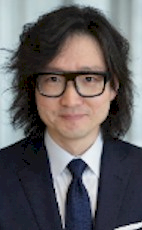
*Matthew Arrants, ISHC is the Executive Vice President of Pinnacle Advisory Group in their Boston office. Pinnacle Advisory Group is a boutique full-service hospitality consulting firm with several offices throughout the US. For the past 15 years, Mr. Arrants has specialized in asset management, new development and operational reviews. He is currently the Chairman of the International Society of Hospitality Consultants. Mr. Arrants lectures regularly at the the Boston University School of Hospitality Administration and Cornell School of Hotel Administration. Matt holds a Masters Degree in Hotel Administration from Cornell University and a BA in Political Science from Hartwick College.* ![alt text][3]
*Richard Warnick is President and founder of Warnick + Company, a hospitality advisory and asset management firm that serves many of the world's leading hotel and real estate companies, private investors, financial institutions, and government agencies. Before forming Warnick + Company, Rich was a principal with Laventhol & Horwath (L&H), an international accounting firm known for its expertise in the hospitality and real estate industries. Mr. Warnick is also a partner in Montage Hotels & Resorts, a luxury hotel company founded in 2002. He serves as an advisor to the company and has represented Montage in acquisitions and development deals worth more than $2.5 billion in total asset value. Mr. Warnick is a member and former co-chair of the Urban Land Institute (ULI) Hotel Development Council. He is past President, Chairman Emeritus, and a current board member of the International Society of Hospitality Consultants (ISHC), an organization comprised of prominent hospitality consultants from around the world. He is also a member of the Hotel Asset Managers Association (HAMA).* ![alt text][4]
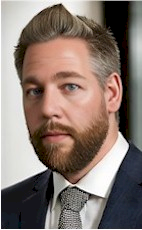
*Chad Crandell is the President and co-founder of CHM, leading provider of hotel asset management services, representing owners, investors and developers of hospitality real estate. Mr. Crandell oversees all CHM corporate functions, focusing on client relations, development and deal sourcing. Mr. Crandell advises on key operational challenges, including risk mitigation, capital planning and expenditures, and investor-funded capital projects. Mr. Crandell is also a partner in CHM Partners, a hotel acquisition/investment company. Mr. Crandell received his B.S. in Hotel Administration from Cornell University.* ![alt text][5]
*Ben Campsey, CPA, MBA, CHAE, is Director of Finance for Cary North Carolina's Five Star, Five Diamond, Umstead Hotel and Spa. He joined the opening team at The Umstead Hotel and Spa after nearly ten successful years with Canyon Ranch Health Resorts. Innovative in his approach to spa financial management, Mr. Campsey has long been a proponent of establishing and measuring a common set of benchmarks in the spa industry. He has assisted HFD with developing tools and software which can be used to target areas where spas can become more profitable. It is with these benchmarks and metrics that spas can evaluate the financial success of their operational strategies.* [1]: http://www.hotelexecutive.com/images/business_review/28572_singer.jpg [2]: http://www.hotelexecutive.com/images/business_review/6c358_arrant_matt.jpg [3]: http://www.hotelexecutive.com/images/business_review/fefc8_warnick_richard.jpg [4]: http://www.hotelexecutive.com/images/business_review/0901f_Crandell_Chad.jpg [5]: http://www.hotelexecutive.com/images/business_review/20f2b_Campsey_Ben.jpg [6]: http://www.hotelexecutive.com/images/business_review/6c358_arrant_matt.jpg [7]: http://www.hotelexecutive.com/images/business_review/fefc8_warnick_richard.jpg [8]: http://www.hotelexecutive.com/images/business_review/6c358_arrant_matt.jpg [9]: http://www.hotelexecutive.com/images/business_review/6c358_arrant_matt.jpg